

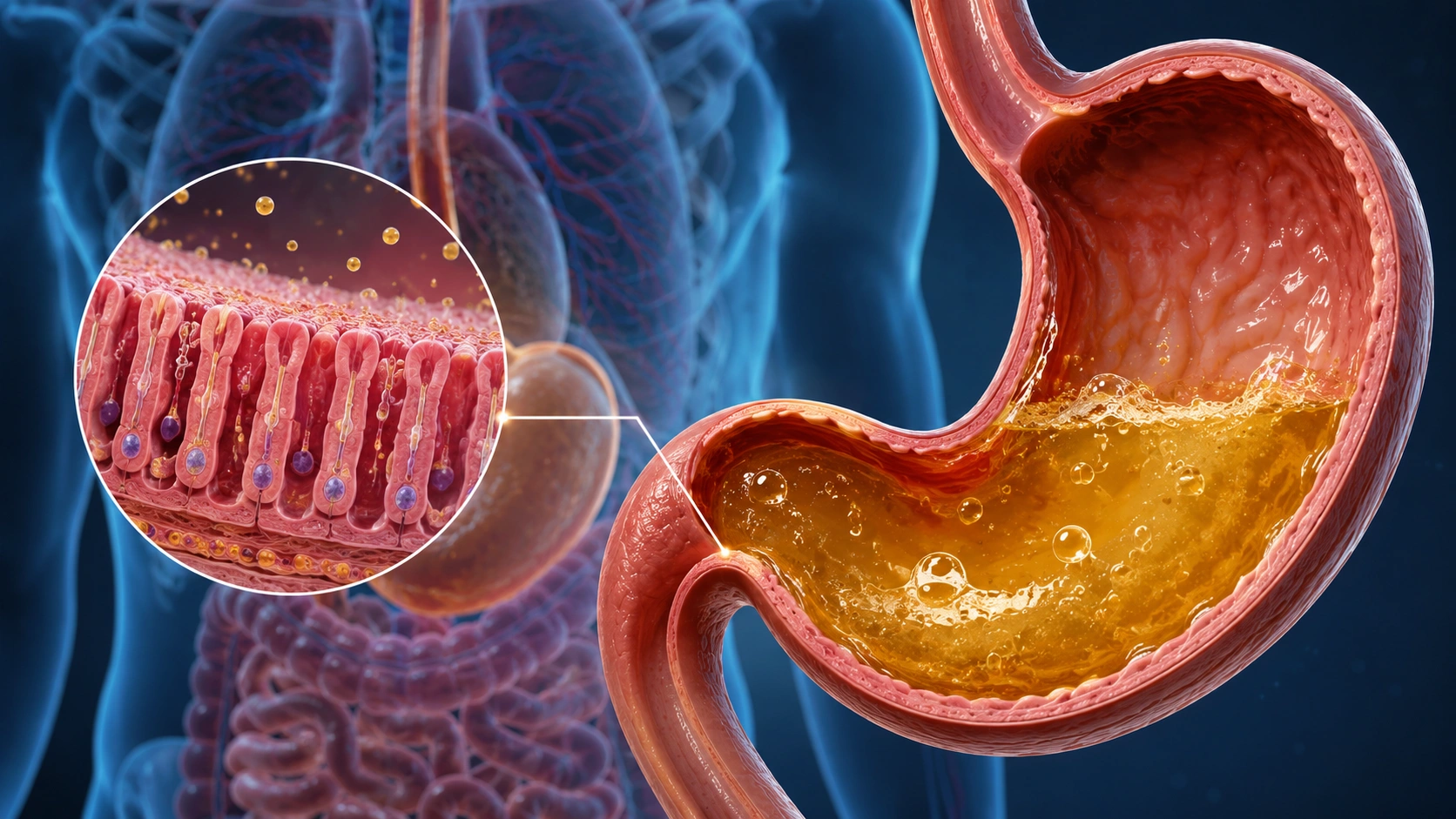
What is the role of hydrochloric acid in stomach is one of the most important digestion questions because hydrochloric acid (HCl) does far more than just make the stomach “acidic.” It helps create the low-pH environment needed for protein digestion, activates pepsin from pepsinogen, helps break food into smaller components, and serves as an antimicrobial defense against many harmful organisms swallowed with food. In a healthy stomach, this acid is produced by parietal cells in the stomach lining and works alongside gastric juice, mucus, bicarbonates, and digestive signaling from gastrin, histamine, and the vagus nerve. When stomach acid is too low, problems such as hypochlorhydria, poor digestion, bloating, nutrient issues, and higher infection risk can follow.
What Is Hydrochloric Acid in the Stomach?
Hydrochloric acid in stomach refers to the strong acid released into the stomach as part of gastric acid or gastric juice. The stomach is not just a storage pouch for food. It is an active digestive organ that mixes food with acid, enzymes, and muscular حركة to start digestion before food moves into the small intestine. In simple terms, HCl gives the stomach its strongly acidic environment, usually around pH 1.5 to 3.5, which is ideal for several early digestive processes.
This acidic milieu matters because many digestive reactions depend on it. Without adequate acid, the stomach cannot perform its job efficiently. Food may remain less digested, proteins may not be broken down properly, and the body’s first line of defense against many microbes becomes weaker. That is why stomach acid is not just a harsh substance. It is a controlled, useful part of normal digestive health.
How Hydrochloric Acid Helps Digestion
The core role of hydrochloric acid in stomach is to support digestion. When you eat, the stomach begins mixing food with acid and enzymes. Hydrochloric acid digestion starts by lowering stomach pH, which helps soften food, disrupts food structure, and prepares nutrients for further breakdown. This is especially important for protein breakdown because proteins are tightly folded molecules that need to be opened up before enzymes can work on them well.
One of the simplest ways to explain this is to say that stomach acid “unfolds” proteins. In scientific terms, it promotes protein denaturation. Once proteins lose their tightly folded shape, digestive enzymes can attack them more effectively and reduce them into smaller peptides and later amino acids. This is why articles that ask how hydrochloric acid helps digestion in the stomach usually focus first on protein handling.
Acid also helps the stomach turn food into a semi-liquid mixture that can be released gradually into the small intestine. This improves the overall flow of digestion and supports gastric motility. Competitors often mention food breakdown, but many stop there. A stronger explanation is that acid is part of a coordinated system: the stomach does not digest food alone. It prepares food for the intestines by creating the right chemical conditions from the start.
A useful way to think about it is this:
| Main digestive role of HCl | Why it matters |
| Creates an acidic environment | Helps enzymes work properly |
| Denatures proteins | Makes protein digestion easier |
| Activates digestive enzymes | Especially important for pepsin |
| Supports orderly gastric emptying | Helps prepare food for the small intestine |
That is why why is stomach acid necessary for digestion is such a common question. The answer is that digestion is not only about enzymes. It is also about creating the right environment for those enzymes to work.
How Hydrochloric Acid Activates Pepsin for Protein Breakdown
A key detail many readers want to know is how hydrochloric acid activates pepsinogen into pepsin. The stomach releases an inactive enzyme precursor called pepsinogen. On its own, pepsinogen cannot digest proteins well. It needs the highly acidic stomach environment to convert into pepsin, the active enzyme that starts serious protein digestion in the stomach.
This is one of the clearest examples of why the acidic environment matters. If acid levels are too low, pepsin activation becomes less efficient. That means even if the stomach releases the enzyme precursor, the digestive process may still be weaker. This is why discussions of low stomach acid often overlap with complaints like fullness after meals, heaviness, or poor tolerance of protein-rich foods.
So when someone asks what is the function of hydrochloric acid in stomach, one accurate answer is: it enables pepsin to do its job. In other words, HCl is not replacing enzymes. It is helping switch them on and making the chemistry of digestion possible.
“Hydrochloric acid helps activate pepsin from pepsinogen and creates the pH needed for early protein digestion.” This idea appears consistently across medical and educational sources.
How Stomach Acid Protects You from Harmful Bacteria
Another major role of HCl in the stomach is protection. The stomach is part of the digestive tract, but it is also a barrier between the outside world and the rest of the body. Food and drinks can carry bacteria, pathogens, and other microbes. Because stomach acid is so strong, it can kill or weaken many of them before they move deeper into the gut.
This is why how stomach acid kills bacteria is such an important long-tail keyword. A properly acidic stomach acts like an early defense filter. It does not eliminate every organism, and some microbes such as H. pylori have special ways to survive in the stomach environment, but normal acid still reduces many risks.
This protective role becomes even more important when acid levels drop. In hypochlorhydria or achlorhydria, the stomach loses some of its normal antimicrobial defense. That can raise the chance of bacterial overgrowth and may contribute to digestive disturbances. This is one reason clinicians sometimes connect low acid states with symptoms beyond simple indigestion.
Which Cells Produce Hydrochloric Acid in the Stomach?
The acid itself is made by parietal cells, also called oxyntic cells, which are found in the stomach lining, especially in the gastric body and fundus. These cells are part of the gastric glands and work alongside other stomach cells, including chief cells, which release pepsinogen, and cells that produce mucus for protection.
Knowing this matters because it explains why damage to the stomach lining can affect both digestion and nutrient handling. If the cells that produce acid are not functioning well, acid levels can fall. Since parietal cells also produce intrinsic factor, which is essential for vitamin B12 absorption later in the digestive tract, problems affecting these cells can have effects that go beyond the stomach.
So, which cells secrete hydrochloric acid in the stomach? The answer is parietal cells. That simple fact is central to understanding gastric function and health.
How Hydrochloric Acid Production Is Regulated
The stomach does not release acid randomly. Hydrochloric acid HCl in aiding digestion is tightly regulated by the nervous system and hormones. Gastrin, histamine, and nerve signals from the vagus nerve all help stimulate acid release. Acetylcholine is also involved, while somatostatin helps slow things down when needed. This creates a feedback system that keeps acid production responsive but controlled.
This matters for readers because it shows that acid production is not just about the stomach itself. It is influenced by signals from the brain, meal timing, stomach stretching, and chemical cues from food. That is why stress, medications, illness, and stomach inflammation can all affect acid balance indirectly or directly.
Why Hydrochloric Acid Does Not Digest the Stomach Itself
A common question is: if the stomach contains such a strong acid, why doesn’t it digest itself? The answer lies in the stomach’s protective systems. The stomach lining is coated by mucus and supported by bicarbonates, creating a gastric mucosal barrier that helps keep acid from directly injuring the tissue. This protective layer is one of the most important parts of stomach protection.
When this barrier is damaged, trouble can follow. H. pylori, NSAIDs, inflammation, or other injuries can weaken the lining and raise the risk of irritation, gastritis, or ulcers. So although stomach acid is powerful, it is normally paired with an equally important defense system. Good articles on the role of hydrochloric acid in stomach should explain both sides of that balance: acid for digestion and defense, mucus for self-protection.
What Happens When Stomach Acid Is Too Low?
Low stomach acid, also called hypochlorhydria, means the stomach is not acidic enough. Achlorhydria is an even more severe state in which stomach acid is almost completely absent. These conditions can affect digestion, nutrient release from food, enzyme activation, and microbial control. Clinical references describe pH greater than 3 as consistent with hypochlorhydria and pH of 5 or above as consistent with achlorhydria in testing contexts.
People with low stomach acid may report bloating, fullness, excessive gas, discomfort after meals, or trouble digesting protein-heavy foods. Over time, low acid may also contribute to malabsorption, higher infection risk, and problems involving nutrients such as iron, calcium, magnesium, and vitamin B12.
Possible causes include stomach lining damage, autoimmune gastritis, long-term use of acid-suppressing medicines, aging, and certain chronic conditions. This is why what happens with low stomach acid is more than a symptom question. It is really a question about how many body systems depend on normal gastric acidity.
Hydrochloric Acid, Nutrient Absorption, and Why Vitamin B12 and Iron Matter
One of the biggest content gaps in competing articles is the relationship between stomach acid and nutrient absorption. While the stomach is not the final absorption site for many nutrients, stomach acid helps prepare nutrients to be absorbed later. It helps release vitamin B12 from food proteins and supports conditions needed for proper handling of minerals such as iron.
This is where intrinsic factor becomes important. Parietal cells make both acid and intrinsic factor. Intrinsic factor is required for normal cobalamin absorption in the terminal ileum. If the stomach lining is damaged or parietal cell function is impaired, the body may struggle with vitamin B12 handling. That is one reason disorders like pernicious anemia and autoimmune damage to the stomach can have serious downstream effects.
Iron absorption also deserves attention. Low stomach acidity can reduce how effectively iron is released and processed from food, which may contribute to iron deficiency in some cases. The same broad idea applies to calcium and magnesium. This does not mean every person with digestive symptoms has a deficiency, but it does show why stomach acid is about far more than heartburn.
Quick nutrient snapshot
| Nutrient | How stomach acid helps |
| Vitamin B12 | Helps release it from food proteins; works alongside intrinsic factor |
| Iron | Supports availability from food for later absorption |
| Calcium | May be better solubilized in normal gastric acidity |
| Magnesium | Adequate acidity can support normal handling |
Low Stomach Acid vs Acid Reflux: Why People Confuse Them
Many readers assume reflux automatically means “too much acid.” That is not always true. Acid reflux and GERD happen when stomach contents move upward into the esophagus. The problem is often location and valve function, not simply total acid production. By contrast, low stomach acid is a problem of inadequate acidity inside the stomach itself.
The confusion happens because symptoms can overlap. A person with low acid may feel heaviness, pressure, belching, or burning sensations after meals. A person with reflux may feel heartburn and regurgitation because acid is reaching the wrong place. These are not identical problems, even though both may involve upper digestive discomfort.
That is why the difference between low stomach acid and acid reflux is an important gap keyword. Explaining it clearly helps readers and also strengthens the article semantically because it addresses a very common misunderstanding.
Medicines and Lifestyle Factors That Can Affect Stomach Acid
Several factors can change stomach acid balance. Proton pump inhibitors (PPIs) and other acid-reducing medicines are designed to reduce acid when excess acid exposure is causing harm, such as in certain reflux or ulcer conditions. But long-term acid suppression can also affect digestion and nutrient handling in some people, which is why it should be managed thoughtfully.
Antacids, chronic stomach inflammation, age-related changes, and some health conditions can also influence acidity. Lifestyle factors like smoking, alcohol use, and stress may interact with digestive symptoms too, even if they are not the only cause. Good content should avoid simplistic claims and instead show that stomach acid exists within a larger digestive system influenced by medication use, physiology, and health status.
Quick Summary: 4 Main Roles of Hydrochloric Acid in the Stomach
If you want the simplest answer, these are the 4 roles HCl plays in the stomach:
- Creates a strongly acidic environment for digestion.
- Activates pepsin from pepsinogen for protein digestion.
- Helps break down food so the digestive process can continue efficiently.
- Acts as an antimicrobial barrier against many swallowed microbes.
That summary captures the heart of what is the role of hydrochloric acid in stomach and aligns with the most repeated themes across both competitor content and medical references.
FAQ: Common Questions About Hydrochloric Acid in the Stomach
Does stomach acid kill bacteria?
Yes, stomach acid can kill or weaken many swallowed microbes, which is one reason normal acidity is protective. But some organisms, such as H. pylori, can survive and adapt in the stomach.
Can low stomach acid cause digestive problems?
Yes. Hypochlorhydria can reduce enzyme activation, weaken protein digestion, and affect normal gastric defense, which may contribute to bloating, fullness, or other digestive complaints.
Which cells produce hydrochloric acid?
Parietal cells in the stomach lining produce hydrochloric acid. They also make intrinsic factor, which matters for vitamin B12 handling.
Can stomach acid affect nutrient absorption?
Yes. Normal gastric acidity helps release nutrients from food and supports later absorption of nutrients such as vitamin B12 and iron.
Is acid reflux the same as too much stomach acid?
Not necessarily. Reflux often means stomach contents are moving upward into the esophagus. It is not always a simple sign of excessive acid production.
Conclusion
So, what is the role of hydrochloric acid in stomach? In clear terms, hydrochloric acid is essential for healthy digestion. It creates the low-pH environment needed for pepsin activation, supports protein breakdown, helps defend the body against harmful microbes, and contributes to normal handling of nutrients such as vitamin B12 and iron. At the same time, the stomach must protect itself with mucus, bicarbonates, and a healthy lining. When acid levels fall too low, the effects can extend beyond digestion into nutrient balance and microbial defense. That is why stomach acid should be understood not as a problem by default, but as a necessary and carefully regulated part of normal gastric health.
Disclaimer: This article is for general educational and informational purposes only. Digestive health and medical conditions may vary between individuals. Always consult a qualified healthcare professional for diagnosis and treatment.










Leave a Reply