

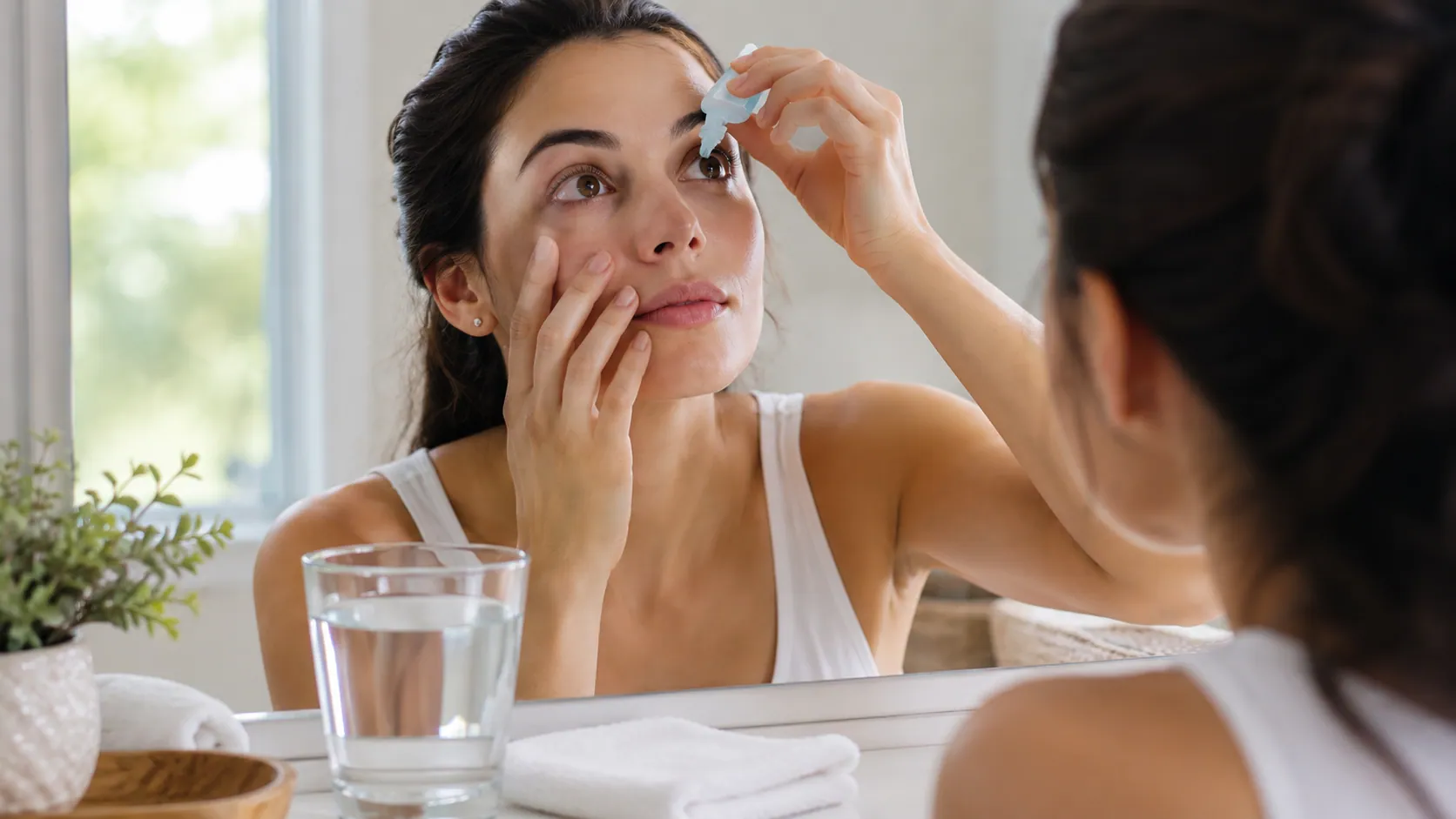
How to make the whites of your eyes whiter is a common question for people who feel their eyes look red, dull, tired, yellow, veiny, or bloodshot. The white part of your eye is called the sclera, and while you cannot safely “bleach” it or permanently change its natural color at home, you can often make your eyes look brighter, clearer, and healthier by reducing redness, dryness, irritation, allergies, eye strain, and fatigue.
The safest approach is not about chasing an unrealistic bright-white look. It is about understanding why your eyes look less clear in the first place. Sometimes the cause is simple, like lack of sleep, dry eyes, screen time, contact lens irritation, or pollen allergies. Other times, especially if the whites of your eyes look yellow, the cause may need medical attention.
This guide explains how to whiten eyes naturally, when eye drops may help, what to avoid, and when to see an eye doctor.
Can You Really Make the Whites of Your Eyes Whiter?
You can often make the whites of your eyes look whiter, but it is important to understand what that really means. The sclera has a natural tone, and it may not be perfectly paper-white for everyone. Your eye color, age, genetics, blood vessels, sun exposure, and overall eye health can all affect how bright your eyes appear.
Most people searching for how to make your eyes whiter are really trying to reduce the things that make eyes look less clear, such as redness, visible veins, dryness, irritation, yellow tint, or tired-looking eyes. When those issues improve, your eyes can look much brighter.
There are two main approaches:
| Goal | What It Means | Examples |
| Temporary brighter-looking eyes | Quick appearance improvement | Artificial tears, cold compress, makeup contrast, screen break |
| Long-term healthier-looking eyes | Reducing recurring causes of redness or dullness | Sleep, hydration, allergy control, UV protection, contact lens hygiene |
The safest way to get healthy white eyes is to support your eyes, not force them to look artificially white. Be careful with any product or procedure that promises instant or permanent eye whitening without explaining risks.
Common Reasons the Whites of Your Eyes Look Red, Yellow, or Dull
Before trying to make your eyes look whiter, it helps to identify why they look discolored. Red eyes, yellow eyes, and dull eyes can have very different causes.
Red or Bloodshot Eyes
Red eyes or bloodshot eyes usually happen when tiny blood vessels on the eye surface become enlarged or irritated. This can make the whites of the eyes look pink, red, or veiny.
Common causes include dry eyes, allergies, smoke, dust, pollution, wind, digital eye strain, lack of sleep, and contact lenses. If you spend long hours on a computer or phone, you may blink less often, which can dry out the tear film and make the eyes look irritated.
Redness can also come from conjunctivitis, also called pink eye, blepharitis, styes, eye infections, or eye injuries. If redness comes with pain, discharge, light sensitivity, or vision changes, do not treat it like a simple cosmetic problem.
Yellow Eyes
Yellow eyes are different from red eyes. If the whites of your eyes look yellow, this may be related to jaundice, which happens when bilirubin builds up in the body. Yellowing of the sclera is sometimes called scleral icterus.
Possible causes can involve the liver, gallbladder, pancreas, blood conditions, or other medical problems. If you notice yellow eyes, especially with dark urine, abdominal pain, fatigue, nausea, or yellowing of the skin, you should seek medical advice. Do not try to “whiten” yellow eyes with drops or home remedies.
Brown or Yellow Spots on the Eye
Some people notice a yellowish bump, brown spot, or raised area on the white of the eye. These may be related to conditions such as pinguecula, pterygium, or eye freckles. Sun exposure, dryness, dust, and wind may contribute to some surface changes.
If a spot is new, growing, changing color, painful, or affecting vision, it should be checked by an ophthalmologist or eye specialist.
Quick Ways to Make Eyes Look Whiter Before an Event
If your eyes look tired before a meeting, photoshoot, wedding, date, or presentation, the goal is to reduce visible irritation without doing anything risky.
One of the safest quick options is using preservative-free artificial tears. These are lubricating drops that help moisten the eye surface. They do not bleach the eyes, but they can reduce the dry, scratchy look that makes eyes appear red or dull.
A cold compress can also help tired or puffy eyes look calmer. Place a clean, cool cloth over closed eyelids for a few minutes. This may reduce puffiness and make your eyes look more awake.
You can also improve the appearance of your eyes with simple habits. Step away from screens, blink slowly several times, drink water, avoid smoke or strong fragrances, and remove any irritating eye makeup. If you wear contacts and your eyes feel dry or red, switch to glasses for the day.
For cosmetic contrast, nude eyeliner, curled lashes, mascara, and under-eye concealer can make the whites of your eyes look brighter. Avoid heavy red, pink, or burgundy eye makeup if your eyes already look irritated, because those tones can emphasize redness.
Natural Ways to Make Your Eyes Look Whiter
Many people search for how to make eyes whiter naturally, but natural methods work best when they reduce the causes of redness and dullness. They do not instantly change the color of the sclera, but they can support healthier-looking eyes over time.
Get Enough Sleep
Lack of sleep is one of the most common reasons eyes look dull, red, or tired. When you do not get enough rest, your eyes may feel dry, heavy, and irritated. Aim for 7 to 8 hours of sleep when possible, and try to keep a consistent sleep schedule.
Good sleep hygiene also matters. Avoid screens right before bed, reduce bright light at night, and give your eyes time to rest. Better sleep can make your eyes look more alert and reduce that overworked appearance.
Stay Hydrated
Hydration supports your body, including your eyes. If you are dehydrated, your eyes may feel dry or irritated, especially in hot weather, dry climates, airplanes, or air-conditioned rooms.
Drinking water will not instantly whiten your eyes, but it can help support normal tear production and eye comfort. Water-rich foods like cucumbers, oranges, berries, and leafy greens can also support overall hydration.
Eat Eye-Supportive Foods
A balanced diet can support eye health, blood vessels, and the delicate tissues around the eyes. Foods rich in vitamin A, vitamin C, vitamin E, zinc, selenium, lutein, zeaxanthin, and omega-3 fatty acids may help maintain healthy eyes.
Good options include carrots, sweet potatoes, spinach, kale, citrus fruits, berries, bell peppers, salmon, sardines, walnuts, flax seeds, chia seeds, and eggs. These foods support eye health, but they should not be described as instant “eye whitening” foods.
Avoid Smoke, Excess Alcohol, and Irritants
Smoke, dust, pollution, and harsh chemicals can irritate the eyes and make them look red. Excess alcohol may contribute to dehydration, which can worsen dryness for some people. If your eyes often look bloodshot, pay attention to triggers such as cigarette smoke, pet dander, strong perfumes, hairspray, pollen, or poor indoor air quality.
Artificial Tears vs Whitening Drops: Which Is Safer?
Many people looking for how to whiten eyes consider eye drops first. But not all drops work the same way.
Artificial tears are usually the gentler option for dry, irritated eyes. They help lubricate the eye surface and support the tear film. If your eyes look red because they are dry, artificial tears may make them feel and look better. Preservative-free artificial tears are often preferred for people who use drops frequently.
Whitening eye drops or redness-relief drops work differently. Many reduce redness by narrowing blood vessels on the eye surface, a process called vasoconstriction. This can make eyes look whiter temporarily, but it does not fix the underlying cause of irritation.
Some redness-relief drops are designed for occasional use, such as before a special event. However, overusing certain vasoconstricting eye drops may cause rebound redness, where the eyes become red again or even redder after the drops wear off.
Here is a simple comparison:
| Type of Drop | Best For | Caution |
| Artificial tears | Dryness, mild irritation, screen-related dryness | Choose preservative-free if using often |
| Allergy eye drops | Itchy, watery allergy-related redness | Use as directed |
| Whitening drops | Temporary redness reduction | Avoid daily cosmetic dependence |
| Saline drops | Rinsing or mild comfort | Not a treatment for ongoing redness |
If your red eyes keep coming back, drops may only be hiding the problem. An eye doctor can help identify whether the cause is dry eye syndrome, allergies, contact lens irritation, infection, or another issue.
Reduce Digital Eye Strain to Keep Eyes Clearer
Long hours on screens can make the eyes look dry, red, or tired. This is often linked to digital eye strain or computer vision syndrome. When you stare at a screen, your blinking rate may drop, which can dry out the eyes and make redness more noticeable.
A simple habit is the 20-20-20 rule: every 20 minutes, look at something about 20 feet away for 20 seconds. This gives your focusing muscles a break and reminds you to blink.
You can also reduce screen-related irritation by adjusting screen brightness, lowering glare, increasing text size, and keeping your screen slightly below eye level. If your eyes feel dry during work, artificial tears may help. Blue light filters can reduce visual discomfort for some people, but blinking, breaks, and good screen setup are usually more important for dryness.
If your eyes are often red after phone use, gaming, or computer work, build small breaks into your day instead of waiting until your eyes feel irritated.
Protect Your Eyes from Allergies, Smoke, Dust, and UV Exposure
Environmental triggers can quickly make the whites of your eyes look less clear. Allergies, pollen, dust, pet dander, mold, smoke, wind, and pollution can all cause redness or irritation.
If you have seasonal allergies, your eyes may look red, itchy, or watery during spring or fall. Washing your face after being outdoors, changing pillowcases, keeping windows closed during high-pollen days, and using an air purifier or HEPA filter may help reduce exposure.
UV exposure is another factor. Sun, wind, and dry outdoor air can irritate the eyes over time. Wearing sunglasses with proper UV protection can help protect the eyes from ultraviolet rays and may reduce irritation from wind and dust. A wide-brimmed hat can add extra protection when outdoors.
If smoke is a trigger, avoid smoky rooms and secondhand smoke whenever possible. If your work environment includes dust, chemicals, or strong air flow, protective eyewear may help.
Contact Lens Mistakes That Can Make Your Eyes Red
Contact lenses can make eyes look red when they are worn too long, cleaned poorly, or used when the eyes are already irritated. Contact lens irritation may cause dryness, visible veins, discomfort, or a gritty feeling.
Common mistakes include sleeping in contacts unless prescribed, wearing lenses longer than recommended, using expired contact lens solution, rinsing lenses with water, or continuing to wear lenses when the eyes are red. Poor contact lens hygiene can increase the risk of eye infections.
Contact lenses can also reduce oxygen flow to the eye surface, especially when worn too long. This can contribute to irritation and redness. If your eyes become red, painful, light-sensitive, or blurry while wearing contacts, remove them and switch to glasses. If symptoms do not improve quickly, see an eye care professional.
Healthy contact lens habits can make a big difference. Wash your hands before handling lenses, replace lenses on schedule, clean the case, use fresh solution, and never ignore persistent redness.
Makeup Tips to Make the Whites of Your Eyes Look Brighter
Makeup cannot change the sclera, but it can create cosmetic contrast that makes the whites of your eyes look brighter. This is especially useful if you want your eyes to look more awake in photos or at an event.
A nude eyeliner on the lower waterline can make eyes look more open without the harsh look of bright white eyeliner. Curling your lashes and applying mascara can also create contrast. Under-eye concealer may reduce shadows that make the whole eye area look tired.
Avoid red-toned, pink, or burgundy eye makeup if your eyes already look red, because those shades can make redness stand out. Dark frames or neutral eye makeup may help the whites look clearer by contrast.
Eye makeup hygiene is just as important. Old mascara, dirty brushes, leftover eyeliner, and sleeping in makeup can irritate the eyes and contribute to redness. Remove makeup gently every night, avoid applying harsh products too close to the eye, and replace expired eye products.
What Not to Put in Your Eyes
When people want whiter eyes fast, they may try unsafe “natural remedies.” This is risky. The eyes are delicate, and irritation can make redness worse or cause injury.
Do not put lemon juice, bleach, hydrogen peroxide, essential oils, apple cider vinegar, non-sterile water, honey, or random DIY mixtures into your eyes. These can irritate the cornea and conjunctiva, increase infection risk, and cause pain or damage.
Also be careful with cosmetic products not designed for the eye area. Sunscreen, moisturizer, hairspray, and fragrance can cause burning or redness if they get into the eyes. If a chemical gets into your eye, rinse with clean water or sterile saline and seek medical help if pain, redness, or vision changes continue.
Safe eye care is usually simple: keep irritants out, use sterile products made for eyes, and get professional advice for persistent symptoms.
When Yellow Eyes or Red Eyes Need Medical Attention
Some eye changes should not be handled with home remedies. Yellow eyes should be taken seriously, especially if the yellow color is new or getting worse. Yellowing may be connected to jaundice, bilirubin, liver problems, gallbladder issues, or other medical conditions.
Get medical advice if yellow eyes happen with symptoms such as dark urine, pale stools, abdominal pain, nausea, fever, fatigue, or yellow skin.
Red eyes also need attention if they come with warning signs. See an eye doctor urgently if you have:
- Eye pain
- Blurry vision
- Sudden vision changes
- Light sensitivity
- Thick discharge
- Severe headache
- Chemical exposure
- Swelling around the eye
- Redness after an eye injury
- Redness that does not improve
A mild red eye from tiredness or dryness may improve with rest, artificial tears, and avoiding triggers. But painful or persistent redness can point to infection, inflammation, injury, glaucoma, or another condition that needs proper treatment.
A helpful rule is this: if your eye looks red but feels normal, it may be mild irritation. If your eye looks red and also hurts, affects vision, or produces discharge, get it checked.
Eye Whitening Myths That Can Harm Your Eyes
There are many myths around natural eye whitening. Some are harmless but unrealistic, while others can be dangerous.
One common myth is that drinking a lot of water will instantly make eyes white. Hydration is helpful, but it does not bleach the sclera. Another myth is that certain foods can immediately whiten yellow eyes. A healthy diet supports eye health, but yellow eyes may be a medical warning sign and should not be treated with food alone.
Another risky idea is using redness-relief drops every day to keep the eyes white. This may hide an underlying problem and can lead to rebound redness with some products. Eye drops should match the cause: artificial tears for dryness, allergy drops for allergies, and medical treatment for infection or inflammation.
Finally, be cautious with permanent cosmetic eye whitening procedures. Any procedure involving the eye surface should be discussed with a qualified eye specialist, including the benefits, risks, and safer alternatives.
Simple Daily Routine for Whiter-Looking, Healthier Eyes
A daily routine can help your eyes look clearer over time by reducing common triggers.
In the morning, hydrate, wash your face, and use artificial tears if your eyes feel dry. Wear sunglasses outdoors to protect from UV rays, wind, and dust. If you use contacts, handle them with clean hands and avoid wearing them longer than recommended.
During work or study, follow the 20-20-20 rule, blink often, and reduce screen glare. If indoor air is dry, consider a humidifier or take breaks away from direct air conditioning or heating.
In the evening, remove eye makeup completely, wash pillowcases regularly, and give your eyes time away from screens before sleep. If allergies are a problem, reduce dust, pet dander, and pollen exposure in your sleeping area.
For recurring redness, do not rely only on cosmetic fixes. Routine eye exams can help detect dry eye, allergies, contact lens problems, or other issues before they become worse.
FAQs About Making the Whites of Your Eyes Whiter
How can I make the whites of my eyes whiter naturally?
The best natural methods are to reduce dryness, irritation, and fatigue. Get enough sleep, stay hydrated, take screen breaks, wear sunglasses, manage allergies, avoid smoke, and eat a balanced diet with leafy greens, citrus fruits, berries, nuts, and omega-3-rich fish.
Can eye drops make my eyes whiter?
Some drops can make eyes look whiter temporarily. Artificial tears help if dryness is causing redness. Whitening drops may reduce redness by narrowing blood vessels, but they should not be used as a daily cosmetic habit unless your eye doctor says they are appropriate.
Are whitening eye drops safe to use every day?
Not always. Some redness-relief drops can cause rebound redness if overused. If your eyes are red every day, it is better to find the cause instead of covering it up with drops.
Can dehydration cause red eyes?
Dehydration can contribute to dryness and irritation, which may make eyes look red or dull. Drinking water supports overall eye comfort, but it is not an instant eye-whitening treatment.
Can lack of sleep make the whites of your eyes less white?
Yes. Lack of sleep can make eyes look red, tired, puffy, and dull. Better sleep can help your eyes look more rested and brighter.
Why are the whites of my eyes yellow?
Yellow eyes may be related to jaundice or bilirubin buildup. This can involve the liver, gallbladder, pancreas, or blood conditions. If the whites of your eyes look yellow, especially with other symptoms, seek medical advice.
How can I make my eyes look whiter without eye drops?
You can use a cold compress, rest your eyes, reduce screen time, avoid smoke and allergens, wear sunglasses, remove irritating makeup, and use makeup contrast such as nude eyeliner and mascara.
When should I see a doctor for red or yellow eyes?
See a doctor if you have yellow eyes, eye pain, vision changes, light sensitivity, discharge, chemical exposure, eye injury, or redness that does not improve. These symptoms may need professional diagnosis and treatment.
Conclusion: The Safest Way to Make Your Eyes Look Whiter
Learning how to make the whites of your eyes whiter starts with caring for your eyes, not forcing them to look artificially white. The safest methods include improving sleep, staying hydrated, using artificial tears for dryness, reducing digital eye strain, protecting against UV exposure, managing allergies, and practicing good contact lens and makeup hygiene.
For quick results, a cold compress, screen break, lubricating drops, and simple makeup contrast can help your eyes look brighter. But if your eyes are yellow, painful, blurry, very red, or persistently irritated, do not treat it as a beauty issue. See an eye doctor or healthcare professional to find the real cause and protect your vision.
Disclaimer: This article is for general informational and educational purposes only and does not constitute medical, ophthalmologic, optometric, or healthcare advice. Changes in eye color, redness, dryness, irritation, or yellowing may have underlying medical causes that require professional evaluation. Always consult a qualified eye care professional for persistent symptoms, vision changes, eye pain, or concerns about your eye health.




Leave a Reply