

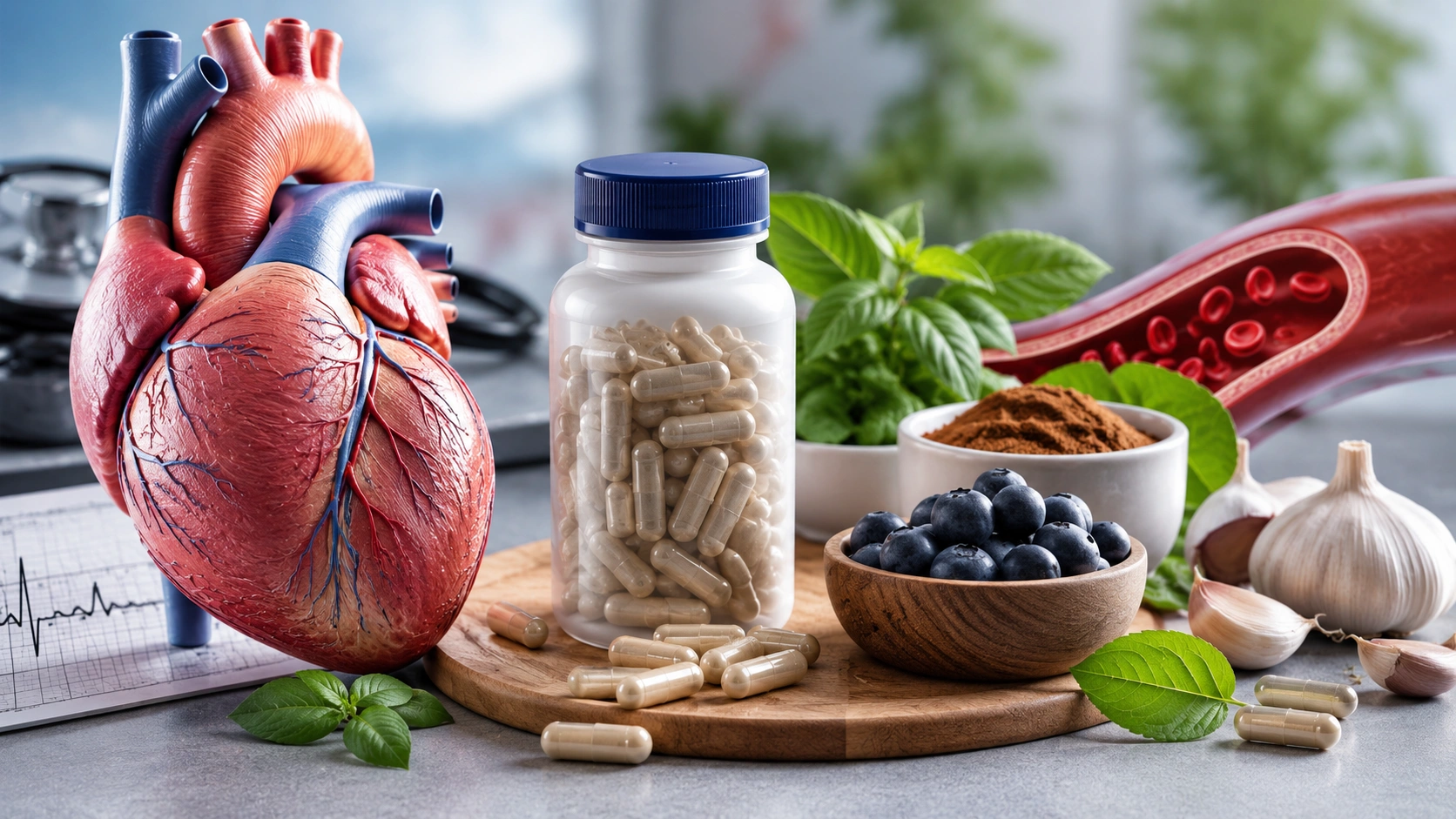
Provascin is a heart health supplement people search for when they want to understand its benefits, ingredients, side effects, safety, reviews, and possible support for cardiovascular wellness. Many users come across Purica Provascin while looking for natural support for blood circulation, cholesterol levels, blood pressure, vein health, chronic venous insufficiency, CVI, varicose veins, leg swelling, heavy legs, and overall vascular health.
Before going deeper, it is important to understand one thing clearly: Provascin is not a prescription medicine and should not be treated as a replacement for medical care. Like many nutraceuticals and wellness supplements, it may be marketed for cardiovascular support, but individual results can vary. Anyone taking blood thinners, diabetes medications, cholesterol medications, statins, blood pressure medicine, or prescription medications should speak with a healthcare professional, physician, or pharmacist before using it.
This guide explains what Provascin is, how it may work, what ingredients may be inside, who should be cautious, and how to decide whether it is right for you.
What Is Provascin?
Provascin is commonly searched as a heart health supplement linked with cardiovascular support, blood flow, cholesterol support, blood pressure support, and vein health. Some product listings refer to Purica Provascin, a supplement formula associated with broad-spectrum support for the heart and circulation.
A key point is that the name Provascin may not always mean every product has the exact same formula in every market. Some pages focus on Purica Provascin with ingredients such as CoQ10, L-Carnitine, alpha-ketoglutaric acid, chaga mushroom, betaine hydrochloride, alpha-lipoic acid, grape seed extract, and green tea extract. Other competitor content discusses circulation-focused ingredients such as Diosmin, Hesperidin, Rutin, horse chestnut extract, escin, flavonoids, and botanical extracts.
That is why readers should always check the Supplement Facts label, product size such as Provascin 120 caps or Purica Provascin 240 capsules, seller details, and ingredient amounts before buying. A good article about Provascin should not simply say “it works.” It should explain the formula, the evidence, the safety questions, and the difference between marketing claims vs evidence.
Provascin Benefits and Common Uses
The main reason people search for Provascin benefits is that they want a natural way to support heart health, cardiovascular wellness, blood circulation, cholesterol levels, and blood pressure regulation. Provascin is often discussed as a supplement for adults who want extra support for a healthy heart, especially when combined with a balanced diet, regular exercise, hydration, sleep, and stress management.
Commonly marketed uses include cardiovascular support, healthy cholesterol levels, blood flow support, triglyceride support, healthy glucose metabolism, energy production, and antioxidant protection. Some users also search for Provascin for circulation, Provascin for veins, Provascin for blood flow, and Provascin for chronic venous insufficiency because they are dealing with leg heaviness, leg discomfort, tired legs, swelling, or varicose vein symptoms.
However, it is better to describe these as supportive wellness claims, not guaranteed results. A supplement may help some people feel better as part of a wider lifestyle routine, but it cannot replace diagnosis, medication, or professional treatment for heart disease, angina, congestive heart failure, diabetes, high blood pressure, or vascular disease.
A practical way to think about it is this: Provascin may support a heart-conscious lifestyle, but it should not be the foundation of heart care. The foundation remains medical guidance, diet, activity, regular check-ups, and risk-factor monitoring.
Provascin Ingredients and How They May Work
The strongest SEO section for this topic is Provascin ingredients because readers want to know what is actually inside the formula. Ingredient transparency matters because different ingredients can have different effects, side effects, and medication interactions.
Here is a simple breakdown of major ingredients and entities commonly connected with Provascin-related content:
| Ingredient / Entity | Why It Matters |
| CoQ10 / Coenzyme Q10 | Often linked with energy production, antioxidant support, and cardiovascular wellness. |
| L-Carnitine | An amino acid involved in energy metabolism and sometimes discussed in heart-support contexts. |
| Alpha-ketoglutaric acid | Connected with cellular energy processes and metabolism. |
| Chaga mushroom | A medicinal mushroom often marketed for antioxidant support. |
| Alpha-lipoic acid | An antioxidant associated with metabolic and oxidative stress support. |
| Grape seed extract | Commonly discussed for antioxidant protection, blood vessels, capillaries, and circulation health. |
| Green tea extract | Often included in wellness products for antioxidant and metabolic support. |
| Diosmin, Hesperidin, Rutin | Flavonoids linked with vein health, venous tone, capillary strength, and microcirculation. |
| Horse chestnut extract / escin | Often discussed in relation to CVI, leg swelling, and heavy legs. |
These ingredients may support different pathways: oxidative stress reduction, inflammation balance, arterial relaxation, blood vessel function, microcirculation improvement, energy support, and vein comfort. But ingredient-based evidence does not automatically prove that every Provascin product will deliver the same result for every person.
This is why transparent labeling, standardized extracts, third-party testing, batch testing, and a certificate of analysis are important. If a supplement hides ingredient amounts inside a vague proprietary blend, it becomes harder for users to evaluate quality, dosage, and safety.
Provascin for Heart Health, Cholesterol, Blood Pressure, and Blood Flow
Many users search for Provascin for heart health, Provascin for cholesterol and cardiovascular support, and Provascin for blood pressure support. These are high-intent searches because people are often worried about real health markers such as LDL cholesterol, HDL cholesterol, triglyceride levels, blood pressure, blood glucose levels, atherosclerosis, and cardiovascular risk factors.
A balanced answer is necessary. Provascin may be marketed to support healthy cholesterol levels, triglyceride support, cardiovascular function, arterial health, and blood flow, but it should not be described as a treatment for high cholesterol or hypertension. If someone already has high blood pressure, high cholesterol, diabetes, heart disease, or symptoms like chest pain, they need professional care.
Supplements can also interact with medications. For example, people taking blood thinners, anticoagulants, antiplatelet drugs, statins, diabetes medications, or blood pressure medicines should be cautious. Ingredients such as green tea extract, grape seed extract, garlic extract, red yeast rice, berberine, magnesium, potassium, and omega-3 fatty acids may be relevant in supplement discussions, but they can also complicate medication routines.
A useful quote for readers is: “The best supplement choice is the one that fits your health history, medication list, and lab results—not just the one with the strongest marketing.”
That means users should monitor real markers such as a lipid panel, blood pressure readings, fasting triglycerides, and cardiovascular risk screening, rather than relying only on how they feel.
Provascin for Vein Health, CVI, Varicose Veins, and Heavy Legs
Another important search angle is Provascin for veins. Some users are not only thinking about the heart; they are searching because of poor blood circulation, chronic venous insufficiency, CVI, varicose veins, leg edema, leg swelling, swollen legs, heavy legs, tired legs, leg discomfort, or blood pooling.
Vein-related concerns often appear in people who sit for long hours, stand all day, travel frequently, or have a family history of vein problems. In these cases, users may look for a natural vein support formula, herbal vascular supplement, phlebotonic supplements, or a natural blood flow booster for tired legs.
Ingredients such as Diosmin, Hesperidin, Rutin, horse chestnut extract, escin, grape seed extract, and flavonoids are commonly associated with venous tone, capillary permeability, capillary strength, microcirculation, and vessel comfort. Still, anyone with severe swelling, sudden leg pain, skin changes, shortness of breath, or one-sided swelling should seek medical attention instead of relying on a supplement.
For everyday vein support, lifestyle habits also matter. Calf exercise, walking, leg elevation, hydration, compression therapy, and compression stockings may support circulation and reduce discomfort for some people. Provascin can be discussed as one possible supportive option, but not as a cure for venous disease.
Provascin Side Effects, Interactions, and Who Should Avoid It
Searches for Provascin side effects, is Provascin safe, and Provascin risks side effects and interactions show that users are worried about safety. This is a good instinct. “Natural” does not always mean risk-free.
Possible supplement side effects may include digestive discomfort, nausea, headache, sensitivity reactions, sleep disturbance, muscle discomfort, or changes in how someone feels while taking other products. The exact side effect profile depends on the formula, dose, ingredient quality, and the user’s health condition.
Certain people should be extra cautious before taking Provascin:
- People taking blood thinners, warfarin, anticoagulants, or antiplatelet drugs
- People using diabetes medications, cholesterol medications, statins, or blood pressure medicine
- People with liver concerns, kidney disease, heart disease, or diabetes
- People who are pregnant, breastfeeding, or preparing for surgery
- Seniors using several prescription medications
- Anyone with a history of allergy to herbs, mushrooms, or botanical extracts
This does not mean everyone must avoid Provascin. It means the safest approach is to ask a physician, pharmacist, or healthcare provider before use, especially if you already have a diagnosis or medication routine.
A simple case study shows why this matters. Imagine a 62-year-old man who buys Provascin because he wants natural support for cholesterol and blood flow. He also takes a statin, a blood pressure medicine, and a daily blood thinner. Even if the supplement looks harmless, the combination may not be ideal without medical review. In this situation, the smart choice is not guessing. The smart choice is asking a pharmacist to check for supplement-drug interactions.
Evidence Check: What Is Supported and What Is Marketing?
A strong Provascin guide should separate realistic benefits from hype. Many supplement pages focus heavily on benefits, but readers deserve to know the difference between clinical evidence, human studies, systematic reviews, meta-analysis, ingredient evidence, and product-level proof.
Some ingredients connected with heart and circulation supplements have been studied individually. For example, CoQ10, grape seed extract, horse chestnut extract, Diosmin, Hesperidin, and omega-3 fatty acids are common topics in cardiovascular and vascular supplement research. But evidence for an individual ingredient does not always prove that a branded multi-ingredient formula has the same effect.
This is especially important when comparing Provascin benefits vs hype. A product may support antioxidant therapy, vascular function, energy support, cholesterol balance, or swelling comfort, but broad claims need careful wording. The most responsible phrasing is “may support,” “is commonly marketed for,” or “may be used as part of a heart-conscious routine.”
Also, time expectations should be realistic. Some competitor content mentions 8 to 12 weeks as a possible timeline for noticing results, but no supplement should be expected to create instant change. In many cases, users notice nothing unless they also improve diet, exercise, sleep, hydration, and stress habits.
How Long Does Provascin Take to Work?
Many users search how long does Provascin take to work because they want a clear timeline. A realistic answer is that results, if any, are usually gradual. Some people may evaluate changes after several weeks or around 8 to 12 weeks, especially for general wellness goals. But that does not mean Provascin is guaranteed to work in that timeframe.
The timeline can depend on many factors: age, diet, activity level, existing health conditions, medication use, supplement quality, dose, and consistency. For example, someone using Provascin while also improving their heart healthy diet, DASH diet, Mediterranean diet, sodium intake, soluble fiber, omega-3 rich foods, aerobic exercise, and weight management may notice better overall wellness than someone who changes nothing else.
The best approach is to track objective markers when possible. Instead of only asking, “Do I feel different?” users can track blood pressure monitoring, cholesterol testing, lipid panel results, fasting triglycerides, and energy levels with professional guidance.
Provascin Reviews: What User Experiences Can and Cannot Prove
Provascin reviews can be helpful, but they should not be treated as medical evidence. User experiences are personal. One person may report better energy or leg comfort, while another may feel no difference. Some reviews may be influenced by diet, exercise, other supplements, medications, expectations, or promotional marketing.
When reading Provascin customer reviews, look for patterns rather than single dramatic claims. Reviews that mention specific details—such as how long the person used the product, what they were taking it for, whether they used other supplements, and whether they had medical supervision—are more useful than vague claims like “miracle cure” or “works instantly.”
Red flags include exaggerated promises, fake before-and-after stories, pressure-based discounts, no ingredient label, no seller details, and claims that Provascin can replace prescription medications. A trustworthy supplement review should sound balanced. It should mention both possible benefits and safety considerations.
In short, reviews can help you understand user satisfaction, but they cannot prove that Provascin treats heart disease, high cholesterol, blood pressure, CVI, or varicose veins.
Is Provascin Legit or a Scam?
The question “Is Provascin legit or a scam?” is common because health supplements often appear in promotional content. The fair answer is that Provascin should not be called a scam without evidence, but buyers should still be careful.
To evaluate legitimacy, check whether the seller provides a clear Supplement Facts label, full ingredient list, brand name, product size, dosage instructions, return policy, customer service details, and quality claims such as GMP certification, third-party lab testing, NSF certification, USP verification, ConsumerLab testing, batch testing, or a certificate of analysis.
Also watch for counterfeit supplement risk. If a seller uses unrealistic claims such as “cures heart disease,” “replaces blood pressure medicine,” “guaranteed cholesterol reversal,” or “doctor-approved miracle formula,” that is a warning sign. Supplements should not make disease-treatment promises.
For Canadian buyers, checking for a Health Canada NPN or Natural Product Number can add confidence. In the United States, users should understand that dietary supplements are regulated differently from prescription medicines, so label reading and seller verification matter.
Provascin Price, Where to Buy, and Buying Checklist
People also search where to buy Provascin, Provascin price, Provascin cost, Provascin Canada, Provascin USA, Provascin near me, Provascin pharmacy, Provascin online, and Provascin official website. This is transactional and commercial intent.
The safest buying approach is to choose reputable pharmacies, known supplement retailers, or verified brand channels. Avoid unknown sellers with no contact information, no refund policy, or prices that look too good to be true. If buying online, check whether the bottle matches the product description, whether the seal is intact, and whether the expiration date is visible.
A simple buying checklist includes:
| What to Check | Why It Matters |
| Full ingredient label | Helps identify allergens, interactions, and active compounds. |
| Product size | Confirms whether it is 120 caps, 240 capsules, capsules, or softgels. |
| Seller reputation | Reduces counterfeit supplement risk. |
| Quality testing | Supports trust and label accuracy. |
| Clear claims | Avoids products using unrealistic medical promises. |
Price should not be the only decision factor. A cheap supplement with poor labeling is not better than a transparent product with clear quality standards.
Provascin Alternatives and Lifestyle Support
Some users may compare Provascin alternatives or search Provascin vs CoQ10, Provascin vs omega-3, Provascin vs red yeast rice, Provascin vs horse chestnut, or Provascin vs Diosmin. These comparisons make sense because Provascin may include several ingredients that are also sold separately.
For example, CoQ10 is often discussed for energy and cardiovascular wellness. Omega-3 fatty acids are commonly connected with heart health. Red yeast rice is discussed around cholesterol support, though it has important safety concerns. Horse chestnut extract, Diosmin, Hesperidin, and Rutin are often associated with vein comfort and circulation support. Magnesium and potassium are also relevant to general cardiovascular wellness, but they may not be suitable for everyone, especially people with kidney disease or medication concerns.
Still, no supplement alternative is more important than lifestyle. A strong heart and circulation plan usually includes a heart healthy diet, DASH diet, Mediterranean diet, regular physical activity, aerobic exercise, resistance training, weight management, smoking cessation, alcohol moderation, better sleep, and stress control. For vein health, walking, calf movement, hydration, leg elevation, and compression stockings can be useful supportive habits.
A realistic goal is not to find one magic capsule. The goal is to build a routine that supports long-term cardiovascular and vascular health.
Final Verdict: Is Provascin Right for You?
Provascin may be worth researching if you are interested in a supplement connected with heart health, cardiovascular support, blood circulation, cholesterol support, vein health, CVI, varicose veins, heavy legs, and antioxidant support. It may appeal to people who prefer a multi-ingredient wellness formula instead of buying several single-ingredient supplements.
However, Provascin is not right for everyone. It should not replace prescription medications, medical testing, or treatment for diagnosed conditions. People taking blood thinners, diabetes medications, cholesterol drugs, statins, blood pressure medicine, or anyone preparing for surgery should speak with a healthcare professional first.
The best decision is balanced: check the label, review the ingredients, verify the seller, understand the safety concerns, and keep expectations realistic. If Provascin fits your health goals and your healthcare provider agrees, it may become part of a broader heart-conscious routine.
FAQs About Provascin
What is Provascin used for?
Provascin is commonly searched as a supplement for heart health, cardiovascular support, blood circulation, cholesterol support, blood pressure support, and vein health. It should be viewed as a wellness supplement, not as a treatment for disease.
Is Provascin a medicine or supplement?
Provascin is generally discussed as a supplement or natural health product, not a prescription medicine. It should not replace medication prescribed by a doctor.
Does Provascin lower blood pressure?
Some ingredients linked with Provascin are discussed in relation to blood pressure support, but Provascin should not be treated as a blood pressure treatment. People with hypertension should follow medical advice.
Is Provascin good for cholesterol?
Provascin may be marketed for healthy cholesterol levels or cholesterol support, but users should monitor real markers through a lipid panel and speak with a healthcare provider.
What are the main Provascin ingredients?
Commonly mentioned ingredients include CoQ10, L-Carnitine, alpha-ketoglutaric acid, chaga mushroom, alpha-lipoic acid, grape seed extract, green tea extract, Diosmin, Hesperidin, Rutin, and horse chestnut extract. Always check the actual product label.
Does Provascin have side effects?
Possible side effects may include digestive discomfort, headache, sensitivity reactions, or medication interaction concerns. The risk depends on the formula, dose, and individual health history.
Can I take Provascin with blood thinners?
Do not combine Provascin with blood thinners, warfarin, anticoagulants, or antiplatelet drugs without asking a doctor or pharmacist first.
How long does Provascin take to work?
Some users may evaluate results after several weeks or around 8 to 12 weeks, but results are not guaranteed and depend on lifestyle, health status, and consistency.
Is Provascin legit or a scam?
Provascin should be evaluated by checking the seller, label transparency, ingredient list, product quality, reviews, and unrealistic claims. Avoid sellers that promise disease cures.
Where can I buy Provascin?
Provascin may be available through supplement retailers, pharmacies, or online stores. Choose reputable sellers and verify the label, seal, expiration date, and return policy before buying.
Disclaimer:
This article is for general informational purposes only. Individual results, preferences, health needs, and situations may vary. Always use your own judgment and consult a qualified professional when needed.









Leave a Reply