

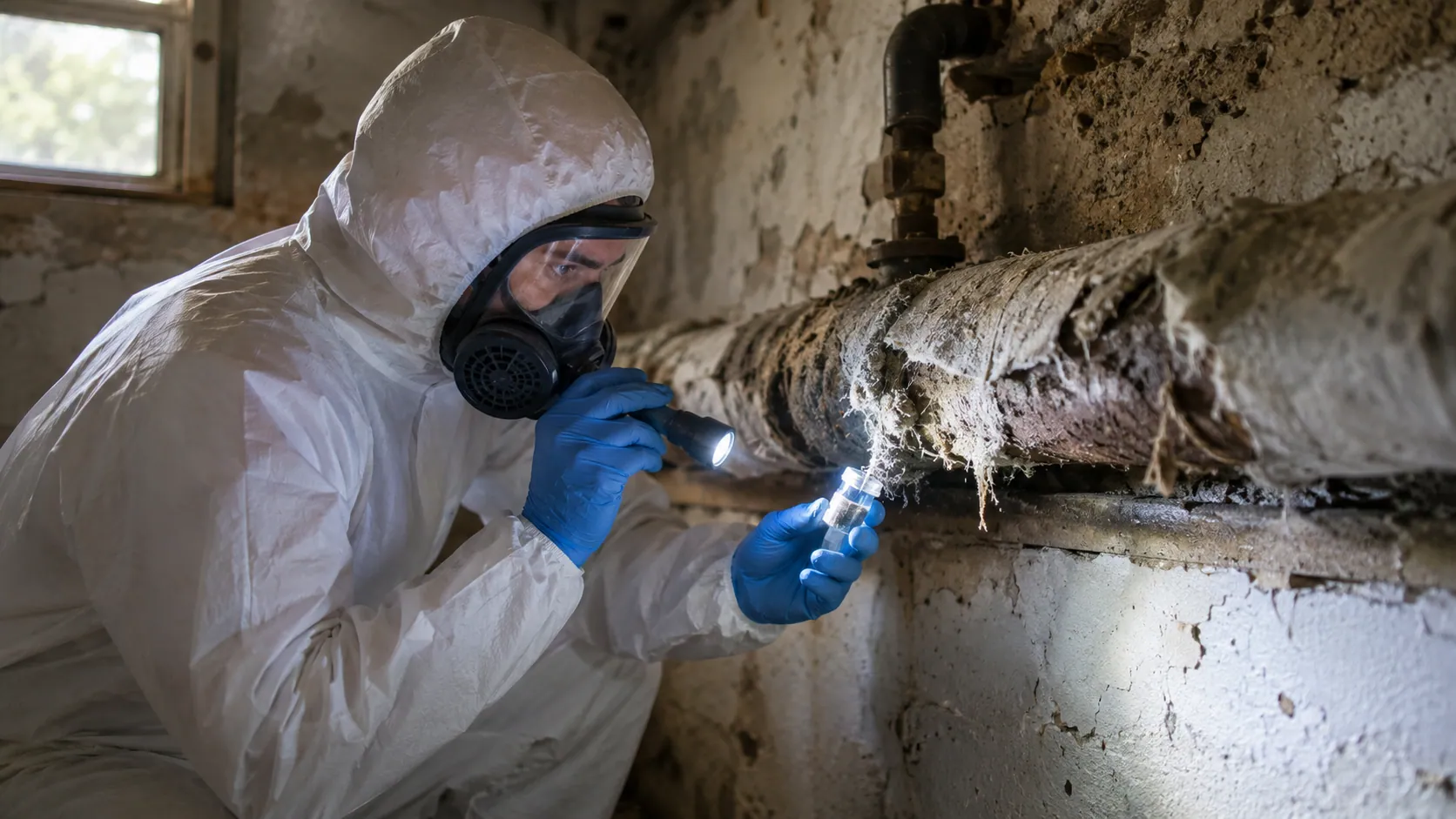
Asbestlint is a confusing but important safety term often linked to asbestos dust, lint-like asbestos fibers, asbestos tape, or old asbestos-containing materials found in older buildings. While the word may not always appear as a formal scientific term, people searching for it usually want to know one thing: could this material be dangerous, and what should I do next?
The short answer is that anything suspected to contain asbestos fibers should be treated carefully. Asbestos becomes dangerous when tiny fibers are released into the air and inhaled. These airborne asbestos fibers can be too small to see, but they may remain a serious health concern, especially when old insulation, pipe wrap, ceiling tiles, flooring, or fibrous tape-like materials are disturbed during renovation or demolition.
This guide explains what asbestlint means, where it may be found, why it can be hazardous, how to approach identification safely, and when to contact a licensed asbestos professional.
What Is Asbestlint?
Asbestlint is generally used to describe material associated with asbestos that may look like lint, dust, fibers, rope, tape, or old insulation debris. In some contexts, it refers to lint-like asbestos dust released from damaged asbestos-containing materials. In other contexts, it may describe asbestos tape, asbestos rope, or asbestos textiles used historically for heat resistance and insulation.
This is why the term can be confusing. Someone may use asbestlint to describe:
- Fine asbestos dust near old pipes or insulation
- Fibrous debris from deteriorating asbestos-containing materials
- Old asbestos rope around boilers or pipe joints
- Woven asbestos tape used for high-temperature insulation
- Warning or barrier tape related to asbestos work areas
The key point is this: asbestlint should not be handled casually. If a material looks fibrous, dusty, crumbly, old, or appears near building materials known to contain asbestos, it is safer to assume it may be hazardous until proper asbestos testing proves otherwise.
Asbestos was widely used because it offered fire resistance, heat resistance, chemical durability, and insulation value. However, once asbestos fibers become airborne, they can create serious asbestos exposure risks.
Asbestlint vs Asbestos Dust vs Asbestos Tape
One of the biggest problems with the keyword asbestlint is that it can point to different things. To understand it clearly, it helps to compare related terms.
| Term | Meaning | Main Concern |
| Asbestlint | Informal or mixed-use term for asbestos-like lint, dust, rope, or tape | May contain or release asbestos fibers |
| Asbestos dust | Fine dust contaminated with microscopic asbestos fibers | Dangerous when inhaled |
| Asbestos tape | Old tape-like material containing asbestos | Risky if frayed, damaged, or disturbed |
| Asbestos rope | Fibrous rope used around boilers, furnaces, and pipe joints | Can release fibers when brittle or worn |
| Asbestos warning tape | Barrier/caution tape used to mark asbestos work areas | Usually a warning tool, not the asbestos material itself |
In Dutch and related language contexts, “asbest” means asbestos, while “lint” can mean tape, ribbon, or strip. This may cause confusion between asbestos-containing tape and asbestos warning tape. For example, asbest afzetlint may refer to asbestos barrier tape used to warn people away from a hazard zone.
So, asbestlint vs asbestos dust depends on the context. If someone is describing fine, fuzzy material near old insulation, they may mean asbestos-contaminated dust. If they are describing a strip wrapped around a pipe, boiler, or duct, they may mean asbestos tape or rope. Either way, the safest approach is the same: do not touch, sweep, vacuum, cut, or disturb it.
Where Asbestlint May Be Found in Older Buildings
Asbestlint is most likely to be discussed in relation to older buildings, especially structures built before asbestos restrictions became common. Many homes, factories, schools, hospitals, warehouses, and commercial buildings used asbestos-containing materials because they were durable and fire-resistant.
Common places where asbestos-like lint, tape, rope, or dust may appear include basements, attics, boiler rooms, crawlspaces, pipe elbows, HVAC systems, and mechanical rooms. In homes, suspicious material may be found around old heating pipes, furnaces, boilers, ceiling tiles, vinyl floor tiles, roofing materials, siding, cement boards, and black mastic under flooring.
In industrial settings, asbestos materials were often used in shipyards, power plants, refineries, factories, mechanical rooms, and boiler areas. These environments commonly needed high-temperature insulation, gaskets, fireproofing, and chemical-resistant materials.
A typical homeowner may notice a grayish-white, frayed, hairy, or crumbly material around old pipes or joints. However, visual clues are not enough to confirm asbestos. Many non-asbestos materials can also look fibrous or dusty. That is why laboratory testing is important before making decisions about cleanup or removal.
How Asbestlint Forms and Becomes Airborne
Asbestos-containing materials are often less risky when they are intact, sealed, and left undisturbed. The danger increases when the material becomes damaged, brittle, frayed, or crumbly. This condition is often called friable asbestos, meaning the material can be crushed or broken easily and release fibers into the air.
Asbestlint may form or appear when old asbestos materials break down due to:
- Natural aging and material deterioration
- Moisture or temperature changes
- Vibration from equipment or building movement
- Renovation, drilling, sanding, cutting, or demolition
- Wear and tear around pipes, boilers, or ducts
- Accidental disturbance during home repairs
Once disturbed, microscopic asbestos fibers can become airborne. This is especially concerning because asbestos fibers are not like ordinary dust. They may be too small to see, and inhalation is the main route of harm.
This is why renovation dust in older buildings deserves caution. A small patch of old insulation, cracked floor tile, damaged pipe wrap, or crumbling ceiling material can release fibers if handled the wrong way.
Health Risks of Asbestlint Exposure
The main health concern with asbestlint is asbestos exposure through inhalation. When asbestos fibers enter the lungs, the body may struggle to remove them. Over time, these fibers can contribute to serious diseases.
The best-known asbestos-related diseases include asbestosis, lung cancer, and mesothelioma. Asbestosis is a lung disease linked to scarring of lung tissue. Lung cancer risk can increase with asbestos exposure, especially when combined with smoking. Mesothelioma is a rare but aggressive cancer often associated with asbestos exposure and can affect the lining of the lungs or abdomen.
One reason asbestos is so concerning is the latency period. Symptoms may not appear immediately. In many cases, asbestos-related illness can develop after a long delay, often discussed as a 20 to 50 years latency period.
That does not mean every single exposure will cause disease. Risk depends on many factors, including the amount of fiber released, duration of exposure, frequency of exposure, material type, ventilation, and whether exposure happened repeatedly. Occupational exposure among workers in construction, demolition, shipbuilding, manufacturing, and insulation work has historically carried higher risks.
Still, there is no benefit in taking chances with suspected asbestos. Even if the material looks minor, the safest response is to avoid disturbing it and seek professional guidance when needed.
Safety principle: If a material may contain asbestos, do not treat it like ordinary dust or household lint.
Can You Identify Asbestlint by Sight Alone?
You cannot reliably identify asbestlint or asbestos-containing material by sight alone. This is one of the most important points in the entire article.
Suspicious material may look like:
- White or gray fibrous dust
- Old bandage-like material around pipes
- Frayed rope near boilers or furnaces
- Crumbly insulation in attics or basements
- Brittle flooring, ceiling tiles, or cement board
- Hairy or fuzzy material near pipe elbows or joints
However, non-asbestos materials can look similar. Fiberglass insulation, mineral wool, cellulose, plaster dust, and old fabric wrapping may all appear fibrous or dusty. That is why appearance alone is not enough.
The only reliable way to confirm asbestos is through proper asbestos sample testing by a qualified laboratory or inspection professional. Depending on the situation, professionals may use methods such as bulk material testing, air sampling, light microscopy, or Transmission Electron Microscopy (TEM).
A homeowner should not collect samples casually without understanding local rules and safety procedures. Disturbing the material while trying to test it can release fibers. In many cases, the better choice is to contact a certified asbestos inspector.
What to Do Immediately If You Find or Disturb Suspected Asbestlint
If you find suspected asbestlint, asbestos dust, or damaged asbestos-like material, stay calm but act carefully. The goal is to reduce disturbance and prevent fibers from spreading.
First, stop work immediately. Do not continue drilling, sanding, sweeping, cutting, scraping, or moving the material. Keep children, pets, and other people away from the area.
Second, avoid actions that can push fibers into the air. Do not use a household vacuum. Do not sweep with a broom. Do not blow dust away. Do not shake contaminated clothing. Do not touch the material with bare hands.
Third, if it is safe to do so, limit air movement. Turning off heating, cooling, or ventilation systems may help reduce the spread of airborne fibers through HVAC systems. Close the door to the room and avoid walking through the area repeatedly.
Then contact a licensed asbestos professional or local asbestos authority for guidance. They can advise whether testing, containment, air monitoring, or professional abatement is needed.
This is especially important if the material is friable, damaged, loose, powdery, or located in a high-traffic area.
Can Asbestlint Spread Through HVAC, Clothing, or Shoes?
Yes, asbestos-contaminated dust can potentially spread if fibers are carried by air movement, shoes, clothing, tools, or ventilation systems. This is why suspected contamination should not be treated like normal household dirt.
If airborne asbestos fibers enter a heating or cooling system, they may move through ducts into other rooms. If dust settles on clothing or shoes, it may be tracked into clean areas. This kind of spread is sometimes called secondary exposure or cross-contamination.
That does not mean every situation becomes a whole-building emergency, but it does mean careful handling matters. Professional asbestos teams use methods such as containment, plastic barriers, controlled work zones, negative air pressure machines, HEPA filtration, and wet-wiping techniques to prevent fibers from spreading.
If suspected asbestos dust is on clothing, tools, or flooring, avoid shaking, brushing, or vacuuming it. Get professional advice before attempting cleanup.
Professional Testing, Inspection, and Removal
Because asbestos is a regulated hazard, professional asbestos testing and professional asbestos removal are often the safest options. A qualified inspector can evaluate the building age, material type, condition, location, and exposure risk.
Professional testing may involve collecting samples safely and sending them to certified laboratories. If there is concern about airborne contamination, air sampling may also be recommended. In more advanced testing, TEM analysis can detect very small fibers.
If asbestos removal is needed, professionals may use sealed work areas, P100 respirators, disposable protective clothing, HEPA vacuums, wet methods, and controlled disposal procedures. A formal abatement project may also include clearance testing, sometimes described as a four-stage clearance protocol in certain regulatory systems.
DIY removal can be dangerous because the riskiest moment is often when the material is disturbed. Removing old pipe wrap, ceiling material, insulation, or asbestos tape without the right containment can release fibers into the air and spread contamination.
For homeowners, renters, and property managers, the safest rule is simple: test before you disturb, and hire professionals when asbestos is suspected.
Safe Disposal and Local Asbestos Regulations
Asbestos disposal is not the same as ordinary trash disposal. Asbestos waste is usually regulated because improper disposal can expose workers, neighbors, and the environment to hazardous fibers.
Rules vary by country, state, province, city, and municipality. Some places allow limited homeowner handling of certain bonded asbestos materials under strict rules, while others require certified removal for most asbestos-containing materials. Loose, damaged, or friable asbestos almost always requires greater caution.
Professional disposal may involve sealed packaging, labeling, transport documents, licensed disposal facilities, and approved landfill areas. In some regions, asbestos waste may need to be double-bagged and taken to a specific licensed disposal facility. Illegal dumping can create environmental hazards such as soil contamination and water contamination, and it may also lead to legal penalties.
Because laws vary, an article about asbestlint removal should never present one universal rule for everyone. The best advice is to check local asbestos regulations and contact the correct authority or licensed contractor before taking action.
Asbestlint in Rental Properties, Home Sales, and Renovation Projects
Asbestlint can also become a property issue. Renters may worry about landlord responsibility. Buyers may wonder whether a house with suspected asbestos is safe to purchase. Sellers may need to understand disclosure rules. Renovators may need surveys before starting work.
In rental properties, tenants should report damaged or suspicious material to the landlord or property manager. They should not attempt to remove or clean suspected asbestos themselves. Landlords and building owners may have legal duties depending on the location, building type, and condition of the material.
For home buyers, an asbestos inspection before buying a house can be valuable, especially if the property is older or has old pipe insulation, vinyl flooring, popcorn ceilings, roofing sheets, or boiler insulation. Asbestos does not always mean a property is unsafe, but unmanaged or damaged material can affect renovation plans, repair costs, insurance, and property value.
Before renovation, an asbestos survey can prevent accidental disturbance and unexpected abatement costs.
Safer Modern Alternatives to Asbestos Tape and Insulation
Asbestos was once popular because it was strong, heat-resistant, and fire-resistant. Today, safer alternatives are widely available for most uses.
Modern options may include fiberglass insulation, mineral wool, rock wool, glass wool, cellulose fiber, polyurethane foam, ceramic fibre gaskets, graphite gaskets, and other asbestos-free materials. For building upgrades, people may also choose low-VOC paints, recycled insulation, natural wool insulation, and other eco-friendly renovation materials.
For high-temperature uses, asbestos-free heat-resistant tapes, gaskets, and insulation products are available. The right replacement depends on the building system, temperature requirements, fire rating, moisture exposure, and local building codes.
The key is not simply to cover or replace suspicious material without testing. First confirm what the material is, then plan safe removal or management with qualified help.
Future of Asbestos Detection and Safer Building Management
Modern asbestos management is becoming more advanced. In 2026 and beyond, building owners, inspectors, and safety teams increasingly rely on better documentation, digital risk mapping, drones, sensors, and AI-supported tools to identify high-risk areas before renovation begins.
Technologies such as AI-powered asbestos mapping, city-wide asbestos databases, historical construction records, building permits, and risk assessment software can help professionals predict where asbestos-containing materials may exist. In complex industrial spaces, robotics and drones may reduce the need for workers to enter risky areas during early inspections.
Still, technology does not replace professional judgment. The foundation of safe asbestos management remains the same: identify suspect materials, avoid disturbance, test properly, follow regulations, and use trained professionals for removal.
Frequently Asked Questions About Asbestlint
Is asbestlint dangerous?
Asbestlint may be dangerous if it contains or releases asbestos fibers. The main risk comes from inhaling airborne fibers, which are linked to serious illnesses such as asbestosis, lung cancer, and mesothelioma.
Can I clean asbestlint myself?
You should not clean suspected asbestos dust like normal dust. Sweeping, brushing, or vacuuming can spread fibers. If the material may contain asbestos, contact a professional for advice.
Can I vacuum asbestos dust?
A normal household vacuum should not be used on suspected asbestos dust. It can blow tiny fibers back into the air. Professionals may use special HEPA-filtered vacuums as part of controlled asbestos procedures.
How long do asbestos fibers stay airborne?
The time can vary depending on fiber size, air movement, ventilation, and disturbance level. Because fibers can remain suspended or settle onto surfaces, it is best to avoid entering or disturbing the area until it has been assessed.
Should I worry about one-time asbestos exposure?
A single brief exposure does not carry the same risk as repeated occupational exposure, but it should still be taken seriously. If you believe you disturbed asbestos, reduce further exposure and consider speaking with a qualified professional or healthcare provider for guidance.
Does asbestlint mean asbestos warning tape?
Sometimes the term may be confused with asbestos warning or barrier tape, especially because “lint” can mean tape or ribbon in some language contexts. However, asbestos warning tape is used to mark danger areas, while asbestos-containing tape may itself be a hazardous material.
Do I need professional asbestos testing?
If the material is old, damaged, fibrous, dusty, or located near common asbestos-containing products, professional testing is the safest way to confirm whether asbestos is present.
Conclusion: Handle Suspected Asbestlint Carefully
Asbestlint is a term that can refer to asbestos-like lint, dust, rope, tape, or fibrous material, but the safety message is clear: do not disturb anything that may contain asbestos. Whether the concern is old pipe insulation, asbestos dust after renovation, frayed tape around a boiler, or suspicious material in a basement, the safest next step is careful isolation and professional assessment.
Because asbestos exposure can lead to serious long-term health risks, suspected materials should be handled with caution. Avoid sweeping, vacuuming, touching, or removing them yourself. When in doubt, arrange asbestos testing, follow local regulations, and work with a licensed asbestos professional for safe inspection, removal, and disposal.
Disclaimer
This article is for general informational purposes only. Individual situations, risks, building conditions, regulations, and results may vary. For specific concerns about suspected asbestos or asbestlint, consult a qualified professional or local authority.











Leave a Reply