

Introduction
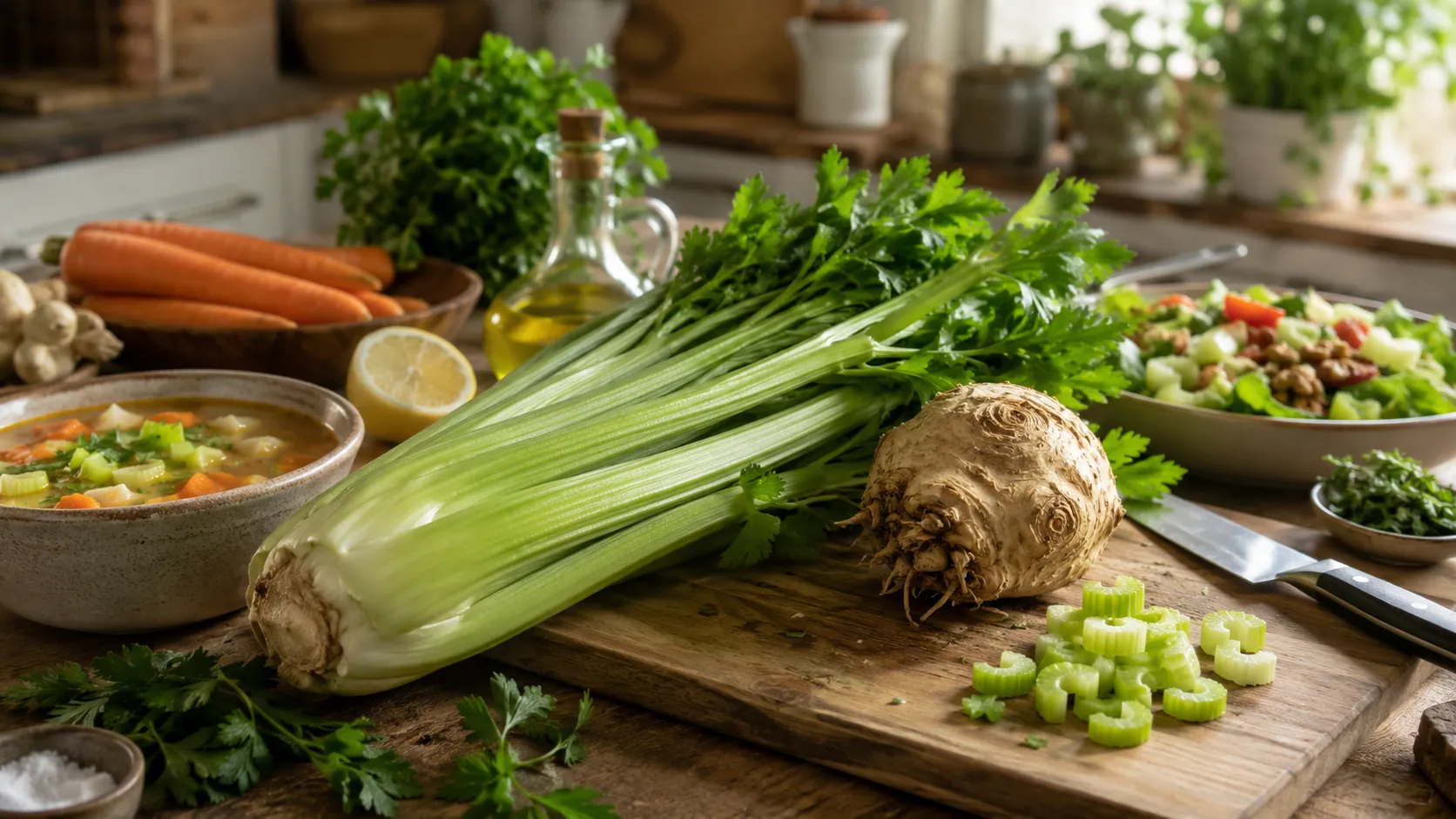
Pravi celer is a simple ingredient with a surprisingly rich place in traditional cooking, modern nutrition, and everyday healthy meals. The phrase is often understood as “true celery,” and people usually use it when talking about celery in its more natural, whole-food form. Depending on the region, it may refer to celery stalks, celery leaves, or celery root, also known as celeriac.
If you are searching for pravi celer, you are probably looking for more than a dictionary meaning. You may want to know how it is used, what nutrients it offers, whether it is good for digestion or heart health, and how to cook with it properly. This guide gives you a clear, practical, and balanced look at pravi celer without turning it into a miracle food.
What Is Pravi Celer?
Pravi celer generally means “true celery” or authentic celery. In food culture, it can point to the full celery plant rather than only the crunchy green stalks seen in supermarkets. That includes the stalk, leaves, seeds, and sometimes the rounded root known as celeriac.
This matters because celery is not used the same way everywhere. In some kitchens, the stalk is eaten raw in salads or snacks. In others, the root is more valued because it gives soups, broths, stews, and purées a deep earthy flavor. The leaves are also useful because they carry a strong herbal aroma.
The term pravi celer also has a traditional feel. It suggests a natural, old-style ingredient used in home cooking before processed seasonings became common. That is why many people connect it with clean eating, slow cooking, and regional recipes.
Nutrition Profile of Pravi Celer
Pravi celer is valued because it is light, fresh, and nutrient-dense for its calorie level. Celery stalks are high in water and provide fiber, vitamin K, potassium, folate, and small amounts of vitamin C. These nutrients support normal body functions when they are part of a balanced diet.
Celery root has a slightly different profile. It is firmer, starchier, and more filling than celery stalks. It still offers fiber and minerals, but it works better as a cooking vegetable than a raw snack. This makes it useful when you want a comforting dish without making the meal too heavy.
The main benefit is not one single “super nutrient.” The real value comes from how easy it is to add pravi celer to meals. You can use it to increase vegetable intake, add texture, reduce reliance on salty flavorings, and bring freshness to everyday dishes.
Health Benefits Backed by Practical Nutrition
Pravi celer can support digestion because it contains fiber and water. Fiber helps food move through the digestive system, while water-rich vegetables can make meals feel lighter. This does not mean celery cures digestive problems, but it can be a smart addition to a varied diet.
It may also support heart-friendly eating habits. Potassium-rich vegetables can help balance a diet that is too high in sodium. When you use celery, celery root, and celery leaves to add flavor to soups or stews, you may need less salt or processed seasoning.
Celery also contains plant compounds with antioxidant activity. These compounds help protect the plant itself, and in your diet they contribute to overall nutrient diversity. The key is to eat pravi celer as part of a wider pattern that includes vegetables, fruits, whole grains, protein, and healthy fats.
How to Use Pravi Celer in Everyday Cooking
You can use pravi celer raw when you want crunch and freshness. Thin celery slices work well in salads, slaws, sandwiches, and yogurt-based dips. The stalks also pair nicely with lemon juice, black pepper, apples, carrots, cucumbers, and fresh herbs.
For cooked dishes, celery root is especially useful. You can roast it, mash it with potatoes, blend it into soup, or add it to stews for a deeper taste. Its mild earthy flavor becomes smoother when cooked, so it is a good choice for winter meals and comforting recipes.
The leaves should not be wasted. They can be chopped into soups, added to broths, mixed into herb sauces, or used as a garnish. If the flavor feels too strong, use a small amount at first. A little celery leaf can give a dish a homemade taste without overpowering it.
Personal Experience Style: The “Root-to-Stalk Check Method”
My favorite way to choose pravi celer is what I call the “Root-to-Stalk Check Method.” Before buying it, look at the whole plant or piece, not just one part. Good celery should feel firm, smell clean and fresh, and show no slimy patches or dull, dry edges.
For celery stalks, press gently near the base. They should feel crisp, not rubbery. For celery root, choose one that feels heavy for its size and has a firm surface. Avoid roots with deep soft spots, mold, or a sour smell because those signs usually mean poor storage or age.
This method helps you cook better food because freshness changes the final taste. Fresh stalks give salads a clean crunch. Good celery root becomes creamy and pleasant when cooked. Fresh leaves add aroma, while tired leaves can taste bitter or flat.
Common Mistakes When Buying or Using Pravi Celer
One common mistake is assuming every type of celery works the same way. Celery stalks and celery root are related, but they behave differently in recipes. If a dish needs celeriac, using only stalks will not give the same body, texture, or earthy flavor.
Another mistake is believing exaggerated health claims. Pravi celer is healthy, but it is not a detox cure, weight-loss shortcut, or treatment for disease. Drinking large amounts of celery juice is not automatically better than eating balanced meals with different vegetables.
Storage is another area where people lose quality. Celery stalks should be kept cold and protected from drying out. Celery root should be stored in a cool place or refrigerator, depending on your climate. Proper storage keeps the texture, flavor, and usefulness intact for longer.
Cultural Heritage and Modern Popularity
Pravi celer has a strong place in traditional European-style cooking, especially in soups, broths, and slow-cooked meals. In many homes, celery root, carrot, onion, and herbs form the base of comforting dishes. This combination gives food depth without needing heavy sauces.
Its cultural value comes from practicality. Celery could be grown, stored, and used in several ways. The root gave body to meals, the stalks added freshness, and the leaves worked like an herb. That made it useful in kitchens where wasting food was not an option.
Today, pravi celer is popular again because people are paying more attention to simple ingredients. It fits modern interests such as plant-based cooking, lighter meals, traditional recipes, and natural flavor. Its appeal is not trend alone; it is useful, affordable, and flexible.
FAQ
What does pravi celer mean?
Pravi celer usually means “true celery” or authentic celery. It may refer to celery stalks, leaves, or celery root depending on the recipe and regional context.
Is pravi celer the same as celery root?
Not always. Celery root, or celeriac, can be part of what people mean by pravi celer, but the term may also include stalk celery and leaves.
What are the main health benefits of pravi celer?
Pravi celer can support hydration, digestion, and balanced meals because it contains water, fiber, potassium, and plant compounds. It should be treated as a healthy food, not as a medical cure.
Can I eat pravi celer raw?
Yes, celery stalks are commonly eaten raw in salads, snacks, and dips. Celery root can also be eaten raw when thinly sliced or grated, though many people prefer it cooked.
Who should avoid or limit pravi celer?
People with celery allergies should avoid it completely. Anyone with kidney issues, special dietary restrictions, or medication concerns should ask a qualified healthcare professional before making major diet changes.
Conclusion
Pravi celer is a practical, nutritious, and traditional ingredient that deserves a place in everyday cooking. Whether you use the stalks, leaves, or celery root, it can bring freshness, aroma, texture, and gentle flavor to your meals.
The best way to use pravi celer is with realistic expectations. It is not a miracle food, but it is a valuable vegetable that supports better cooking and a more varied diet. When chosen fresh and prepared well, it can improve simple dishes in a natural and useful way.
Disclaimer
This article is for general informational and educational purposes only. It should not be used as medical, nutritional, or dietary treatment advice. If you have allergies, health conditions, pregnancy concerns, or take medication, consult a qualified healthcare professional.
Loved Reading This? Discover More Exclusive Stories And Updates At [dailynora.com]!







Leave a Reply