

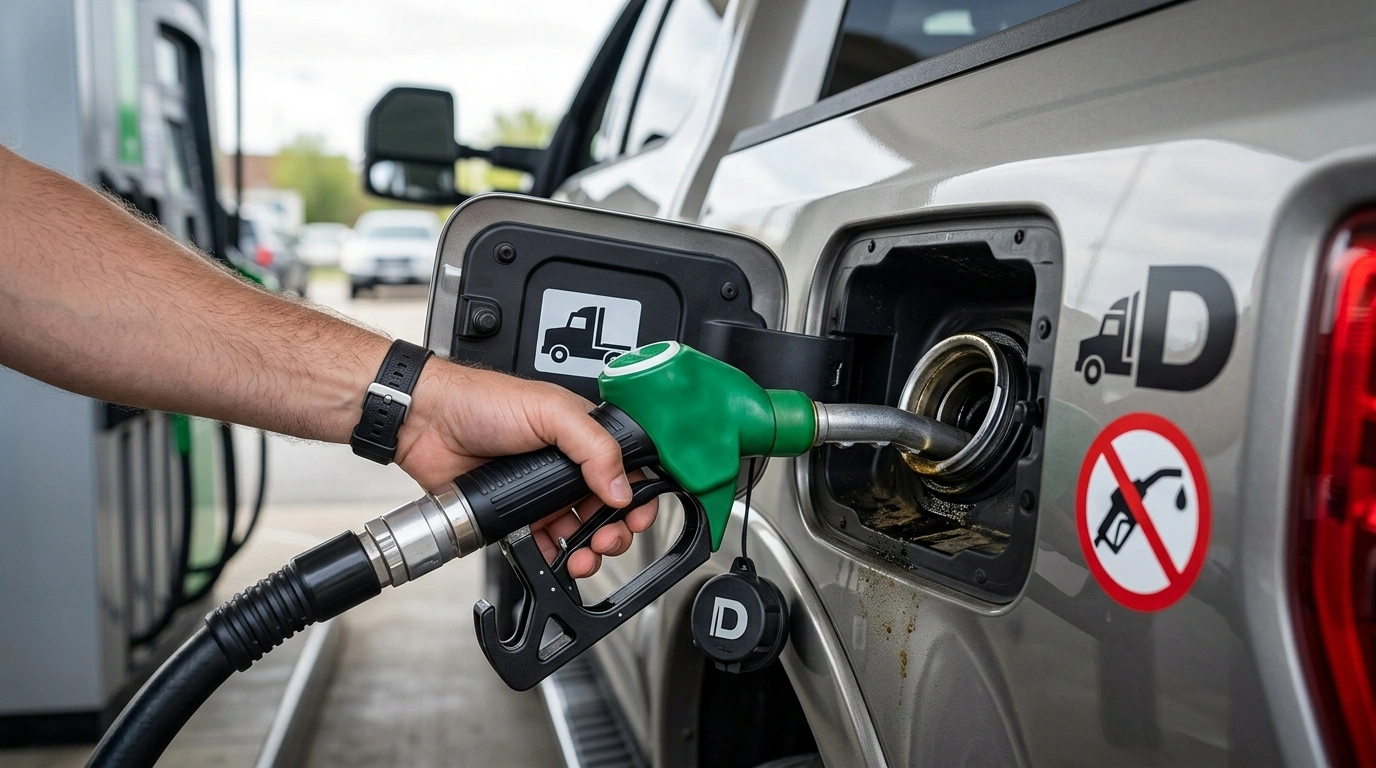
Can a diesel engine run on gasoline? In the strictest sense, yes, it may start or run briefly in some situations—but that does not mean it can run on gasoline safely. A diesel engine is built for diesel fuel, not regular unleaded gasoline, and even a small fuel mixup can lead to poor performance, knocking, misfiring, stalling, and expensive damage to the diesel fuel system.
Most people who search this are dealing with one of two things. They either accidentally put gas in a diesel engine and want to know if they ruined it, or they are simply curious whether a diesel-powered vehicle can use gasoline at all. Those are two very different situations. A heavily modified engine project—like the kind sometimes discussed by The Drive or shown in an experiment involving a Toyota 2CT turbodiesel engine or a Lada Samara—is not the same as putting the wrong fuel type into your daily driver and hoping for the best.
The short answer is simple: a normal diesel engine is not designed to run on gasoline. If gasoline in a diesel engine makes its way through the fuel tank, fuel lines, high-pressure fuel pump, and fuel injectors, the result can range from a simple drain-and-flush job to thousands of dollars in repairs. That is why this topic matters so much for diesel trucks, work vehicles, and modern common-rail diesel systems.
Diesel vs. Gasoline: Why They Are Not Interchangeable
To understand why running gas through a diesel engine is such a bad idea, it helps to know how diesel vs gasoline actually works.
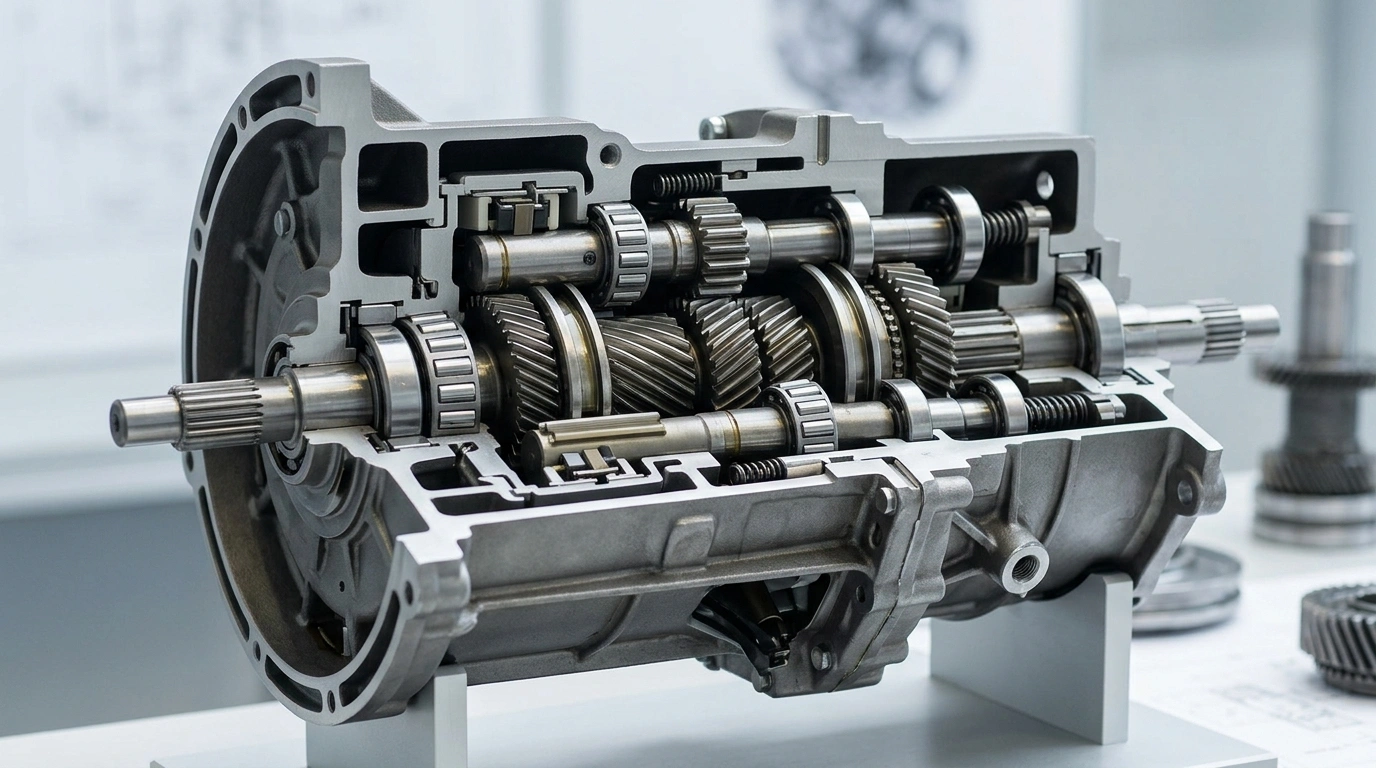
A gasoline engine is designed around spark ignition. It mixes fuel and air, then a spark plug ignites that mixture at the right moment. A diesel engine works differently. It uses compression ignition, which means air is compressed so much that the temperature rises high enough for diesel fuel to ignite when injected. That is why you will often hear about diesel engines having much higher compression ratios than gasoline engines. In some technical examples, a diesel may run at something like 23:1 compression ratio, while a gasoline engine may be closer to 10:1 or 16:1 depending on the design.
That difference changes everything. Diesel fuel has a different chemical composition, physical properties, viscosity, flash point, and ignition quality than gasoline. It also provides lubricity, which is extremely important because many diesel fuel system parts rely on the fuel itself for lubrication. Gasoline is more volatile and does not provide that same protection. So when people ask, “can a diesel engine run on unleaded?” or “can a diesel truck run on regular gas?”, the core issue is not just whether the engine will fire. The real issue is that the engine and its components are engineered around an entirely different fuel behavior.
A quick comparison
| Feature | Diesel Fuel | Gasoline |
|---|---|---|
| Ignition method | Compression ignition | Spark ignition |
| Key rating | Cetane number | Octane rating |
| Lubricity | Higher | Lower |
| Volatility | Lower | Higher |
| Typical engine design | High-compression diesel engine | Spark-ignition gasoline engine |
This is also where the often-missed gap keywords matter. Competitors talk about fuel being “different,” but not all of them explain cetane number, octane, flash point, or viscosity. In practical terms, that means gasoline contamination in diesel fuel changes how the fuel burns and how well it protects expensive components. In a modern common-rail injection system, that can be disastrous.
What Happens If You Put Gasoline in a Diesel Engine?
This is the big question behind the keyword, and the answer depends on how much gasoline in diesel is dangerous, whether the engine was started, and how far the vehicle was driven.
If you accidentally put gasoline in a diesel engine, the engine may still start or even run for a few minutes. That is usually because there may still be some diesel left in parts of the system, or because the contaminated fuel has not yet caused enough damage to shut things down. But that brief run time is misleading. It does not mean the vehicle is fine. It only means the damage process may already be underway.
Once the gas in a diesel engine circulates, several problems start happening at once. First, the fuel loses the lubricity that the high-pressure fuel pump and fuel injectors depend on. Second, the more volatile gasoline can ignite differently under the high pressures of a diesel combustion cycle, which can contribute to knocking, detonation, predetonation, and unstable combustion. Third, the contaminated fuel can reduce the protection of parts like seals, fuel rails, and injector components. In bad cases, the system can produce wear debris or even metal shavings in the fuel system, turning a simple mistake into a complete fuel-system rebuild.
That is why the question “can a diesel engine run on gasoline for a few minutes?” has a tricky answer. It may run briefly, yes. But running and running safely are not the same thing.
Will it run at all, even briefly?
Sometimes, yes. A diesel engine may start or idle roughly after a misfueling event, especially if there is still usable diesel in the fuel lines or fuel filter. But the longer it runs, the higher the risk. This is one of the most important things drivers get wrong. They assume that if the engine starts, they got lucky. In reality, the opposite may be true: the contaminated fuel is now moving deeper into the system.
A useful rule of thumb is this: if you realize the mistake before starting the engine, your repair bill is usually much lower. If you realize it after driving, the risk goes up sharply.
Symptoms of Gasoline in a Diesel Engine
If you are wondering about symptoms of gasoline in a diesel engine, the signs usually show up quickly once contaminated fuel reaches the engine.
The most common symptoms include hard starting, rough idling, misfiring, knocking, loss of power, and stalling. Some drivers also notice check engine lights, excessive smoke, hesitation under throttle, or a sharp drop in drivability. In a diesel truck or work vehicle that usually feels strong under load, the change can be obvious almost immediately.
These symptoms happen because the engine is trying to operate on a fuel that does not match its design. The combustion chamber, cylinders, and pistons are all working in conditions they were not tuned for. Meanwhile, the fuel injectors and high-pressure common-rail pump are being starved of the kind of lubrication they expect.
If you are searching “signs of gasoline contamination in diesel fuel”, pay close attention to any combination of these warning signs:
- Knocking or sharp combustion noise
- Misfiring or unstable running
- Rough idle
- Poor performance and weak acceleration
- Stalling
- Check engine lights or fault codes
- Strong fuel smell or obvious running change after fueling
The biggest mistake is ignoring early symptoms and trying to “burn through it.” That often turns a manageable problem into major engine wear and fuel pump failure.
Which Parts Can Be Damaged?
When people ask, “did I damage my diesel engine with gasoline?”, they often think only about the engine block itself. In reality, the first and most serious damage often happens in the diesel fuel delivery system.
The high-pressure fuel pump is one of the most vulnerable components because it depends on diesel fuel for lubrication. If gasoline passes through it, internal wear can happen quickly. The same goes for fuel injectors, which operate at extremely tight tolerances. In a common-rail diesel, contaminated fuel can spread wear through the entire fuel rail, making repair much more expensive.
Other at-risk parts include the fuel filter, fuel lines, seals, and the fuel tank itself if debris or contamination remain inside. In more severe cases—especially if the engine is driven under load—damage can extend to the combustion chamber, cylinders, and pistons because the combustion event is no longer behaving as intended.
Here is the basic damage pattern:
| Part | What gasoline can do |
|---|---|
| High-pressure fuel pump | Reduce lubrication, cause wear or failure |
| Fuel injectors | Cause scoring, sticking, poor spray pattern |
| Fuel filter | Trap contamination, clog sooner |
| Fuel rail / lines | Spread contaminated fuel through system |
| Seals | Wear or degrade faster |
| Engine internals | Risk rises if engine is run hard or too long |
This is why fuel rail contamination, diesel injector pump damage, and metal shavings in fuel system are such important gap entities for a better article. Many competitor pages mention “damage” but stop short of explaining how that damage spreads.
Did I Damage My Engine?
The honest answer depends on the scenario.
If you put gas in a diesel engine but did not start it, there is a good chance the issue can be fixed by draining the fuel tank, cleaning the system as needed, replacing the fuel filter, and refilling with clean diesel. That is the best-case outcome.
If you started the engine but did not drive far, the risk is higher, but the damage may still be limited if you stop immediately and have the system serviced properly. This is where professional roadside fuel drain or towing to a mechanic’s shop matters.
If you drove the vehicle and the engine began showing symptoms like stalling, knocking, or misfiring, the risk of serious damage goes up a lot. At that point, fuel pump failure, injector damage, and contaminated system components become much more likely.
A simple way to think about it is this:
- Not started = usually the lowest-cost repair
- Started briefly = moderate risk
- Driven with symptoms = highest risk and often the most expensive
So if your question is “can gas in a diesel engine ruin the fuel system?”, the answer is yes, it can—especially in newer diesel vehicles.
What to Do If You Put Gas in a Diesel Engine
This is the section that matters most for real-world readers.
If you realize you made the mistake before starting the vehicle, do not start the engine. Do not try to “top it off” with diesel. Do not try to “dilute” the gasoline and keep driving. And do not assume a small amount is harmless. The safest move is to stop, arrange a tow truck or a professional diesel flush service, and have the fuel system handled correctly.
If the engine is already running, get somewhere safe and shut it down as soon as possible. Then arrange professional help. The goal is to prevent more contaminated fuel from reaching the high-pressure pump, fuel injectors, and fuel rail.
A proper repair usually involves draining the fuel tank, flushing the fuel lines, replacing the fuel filter, and inspecting key components. In more serious cases, the repair may involve deeper cleaning or replacement of damaged parts.
What not to do
- Do not keep driving
- Do not assume the engine will clear itself
- Do not rely on adding more diesel to fix the problem
- Do not restart the engine once you know what happened
That last point is worth repeating because it is one of the strongest practical gap keywords in this topic: do not restart the engine.
How Much Does It Cost to Fix?
The cost can vary a lot, which is exactly why this topic creates so much stress.
If the mistake is caught early—before the engine is started—the repair may only involve draining the tank and cleaning the system. In some cases, that might be a few hundred dollars, similar to common wrong-fuel service ranges like $200 to $500, with towing or emergency help adding more.
If the contaminated fuel reaches the injectors and pump, the price can climb fast. This is where people start hearing about thousands of dollars in repairs, especially on modern common-rail diesel vehicles. Replacing a damaged high-pressure common-rail pump, cleaning the system, and replacing injectors can become a major job.
A useful way to explain cost to readers is with three tiers:
| Scenario | Typical cost direction |
|---|---|
| Caught before starting | Lowest |
| Started briefly, not driven far | Moderate |
| Driven until symptoms appear | Highest |
This section also matches commercial intent well because readers often want repair expectations before they call for help.
Can You Convert a Diesel Engine to Run on Gasoline?
This is where the literal keyword can confuse people, so it is worth addressing clearly.
Yes, a diesel engine can be modified to burn gasoline in some custom projects—but that is not remotely the same thing as accidentally putting gasoline in a diesel engine. A real conversion can require major work, such as changing the compression ratio, modifying the combustion chamber, adding spark plugs, changing the fuel system, and altering parts like the intake manifolds, distributor, or carburetor depending on the project.
That is why examples involving a Toyota 2CT turbodiesel engine, a Lada Samara, or enthusiast experiment channels like Garage 54 are interesting, but they are not practical advice for everyday vehicle owners. A custom conversion is an engineering project. Misfueling is an emergency.
If someone asks, “what changes are needed for a diesel engine to run on gas?”, the real answer is: so many changes that it becomes a custom rebuild, not a normal fuel choice.
Modern Common-Rail Diesels Are More Sensitive Than Older Diesels
This is one of the biggest content gaps competitors tend to under-explain.
Older mechanically controlled fuel systems could sometimes tolerate contamination a little differently than modern systems. But newer electronically controlled fuel systems and common-rail diesel designs work at much higher pressures and much tighter tolerances. That makes them more efficient—but also more vulnerable to fuel lubricity loss and contamination.
In practical terms, that means the same fuel mistake that might have been survivable in an older diesel can become very expensive in a newer truck or SUV. The high-pressure pump, fuel injectors, and rail system in a modern diesel are simply less forgiving.
So when readers ask “what percentage of gasoline in diesel causes damage?”, the answer is frustrating but true: there is no universally safe number, especially in modern systems. The sensitivity depends on the vehicle, the amount of contamination, and how long it was run.
How to Prevent Misfueling Next Time
Prevention is not glamorous, but it saves a lot of money.
Always double-check the pump label before fueling. If you drive multiple vehicles—especially both gasoline and diesel—slow down and confirm the nozzle and fuel type before you start. Some diesel pumps use a green diesel nozzle, but color is not universal, so the label matters more than the handle color.
If your vehicle is shared among family members or employees, a reminder sticker near the filler cap can help. For fleet or work use, a wrong-fuel prevention device can add another layer of protection. This is especially useful if a vehicle is fueled in a rush or by multiple drivers.
A very simple habit can prevent a very expensive mistake: pause for two seconds, read the label, then fuel.
Frequently Asked Questions
Can a diesel engine run on gasoline for a few minutes?
It might, but that does not mean it is safe. A brief run can still push contaminated fuel through the fuel injectors, fuel lines, and high-pressure fuel pump.
What happens if you only put a little gas in a diesel?
Even a small amount can be risky, especially in a modern common-rail diesel. The safest approach is still to avoid starting the engine and get professional advice.
Can you dilute the gasoline with more diesel and keep driving?
That is not a good idea. Topping off with diesel does not guarantee protection, and it can make diagnosis harder while still allowing damage to happen.
Will gasoline destroy a diesel engine immediately?
Not always immediately, but it can begin damaging the fuel system very quickly. The longer the engine runs, the worse the risk becomes.
Does insurance cover misfueling?
Sometimes, depending on the policy and provider. It is worth checking, especially if towing, draining, or component replacement is needed.
Is draining the tank enough?
Sometimes yes, but not always. If the engine was started or driven, a full system clean may be needed. That can include the fuel tank, fuel filter, fuel lines, and inspection of the pump and injectors.
Conclusion
So, can a diesel engine run on gasoline? Only in the loosest sense—and never in the way you actually want. A diesel may start or run briefly on contaminated fuel, but that does not make it compatible with gasoline. The real risk is damage to the diesel fuel system, especially the high-pressure fuel pump, fuel injectors, and modern common-rail injection system.
If you accidentally put gas in a diesel engine, the smartest move is simple: do not keep driving, do not restart the engine, and get the system drained and checked professionally. That one decision can be the difference between a manageable repair and a very expensive one.
Disclaimer: This article is for general automotive and informational purposes only. Vehicle performance and damage risks may vary based on engine type, fuel system, and conditions. Always consult a qualified mechanic or technician for accurate diagnosis and repairs.








Leave a Reply