

Introduction: Can Dogs Have Olive Oil Safely?
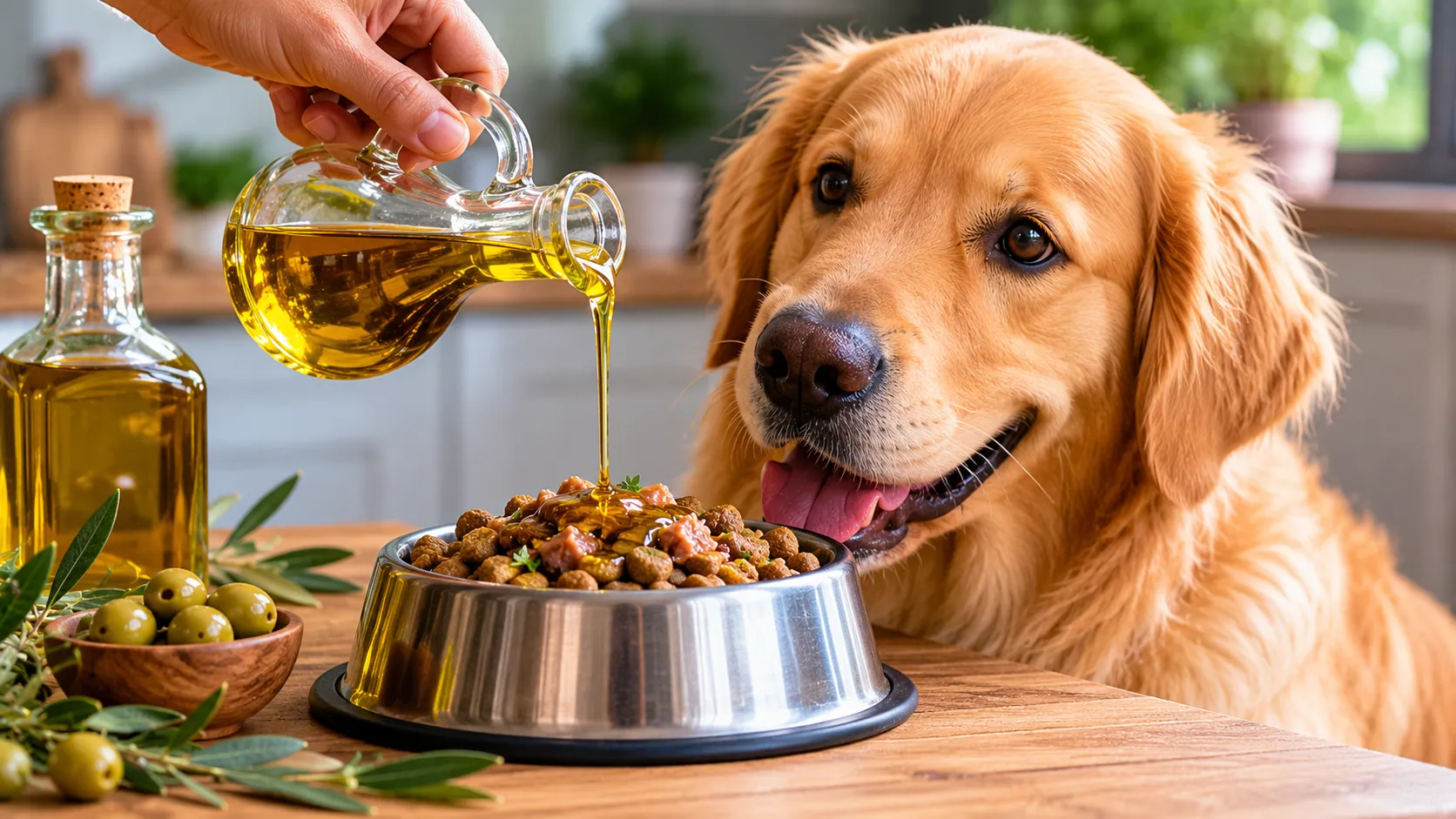
Yes, most healthy dogs can have small amounts of plain olive oil as an occasional addition to their food. It is not toxic in tiny servings, and some pet parents use it as a simple food topper for coat shine, dry skin support, or picky eating. Still, olive oil should not be treated like a cure-all or a daily health fix for every dog.
The main thing to remember is that olive oil is high in fat and calories. Even though it contains healthy fats, too much can upset a dog’s stomach, cause loose stool, or add extra calories that may lead to weight gain over time. That is why moderation matters more than the type of bottle you buy.
Some dogs need extra caution. Puppies, overweight dogs, dogs with pancreatitis, sensitive stomachs, chronic diarrhea, liver concerns, or other health issues should not be given olive oil without veterinary guidance. A dog’s age, weight, diet, and medical history all matter when deciding whether olive oil is a good choice.
In this guide, you will learn is olive oil safe for dogs, what possible benefits it may offer, how to use olive oil for dogs safely, what risks to watch for, how much may be appropriate, and when it is better to call a vet. The goal is simple: help you make a safe, informed choice about your dog’s nutrition and healthy dog treats.
Is Olive Oil Safe for Dogs?
Plain olive oil is generally considered safe for dogs in small amounts, as long as it is not mixed with unsafe ingredients. A tiny drizzle of plain olive oil added to food is very different from giving a dog a large spoonful of oil or feeding oily human foods. The safer option is always simple, plain, and portion-controlled.
However, “safe” does not mean needed for every dog. Many dogs already eat a complete and balanced diet that provides the fats, vitamins, and nutrients they need. If your dog’s food is already properly formulated, adding extra oil may not provide a major benefit and may only increase calories.
The safest way to use plain olive oil for dogs is as a small dog food topper, not as a replacement for veterinary care. For example, if your dog has itchy skin, constant shedding, constipation, or poor coat condition, olive oil may not solve the real problem. Those symptoms can be linked to allergies, parasites, infections, poor diet, digestive disease, or other health concerns.
Many pet owners prefer extra virgin olive oil for dogs because it is less processed than some other oils. That can be a reasonable choice, but the amount matters far more than the label. Even a high-quality oil can cause problems if a dog gets too much.
A practical pet-parent tip is to start with a very tiny amount mixed into your dog’s normal food. Then watch your dog closely over the next day. Check for changes in stool quality, appetite, vomiting, gas, itching, or energy level. If your dog develops diarrhea, refuses food, vomits, or seems uncomfortable, stop using olive oil and ask your veterinarian for advice.
Possible Benefits of Olive Oil for Dogs
Olive oil may offer some benefits for dogs, but it is important to keep expectations realistic. It should be seen as a small dietary add-on for certain dogs, not a treatment for medical problems.
Olive oil contains monounsaturated fats, along with small amounts of vitamin E and natural plant compounds called polyphenols. These nutrients are one reason olive oil is often discussed in human nutrition, and they may also support general wellness when used carefully in a dog’s diet.
One of the most common reasons pet parents try olive oil for dog coat support is to improve shine. In some dogs, a small amount of olive oil may help the coat look smoother or glossier over time. It may also support mild dry skin when dryness is related to diet or a lack of healthy fats. Some veterinary sources note that visible coat changes may take around 30 days when supplementation is appropriate, so it is not an overnight fix.
Olive oil may also help make food more appealing for picky eaters. A tiny amount mixed into regular food can add smell and texture, which may encourage some dogs to eat. This can be helpful in limited situations, but it should not be used to hide a serious appetite problem. If a dog suddenly stops eating, seems weak, vomits, or loses weight, that needs veterinary attention.
Some pet parents also use olive oil for occasional stool movement support. Because it is an oil, it may help soften stool slightly in some dogs. However, it should not be relied on as a constipation treatment. Constipation can sometimes point to dehydration, pain, swallowed objects, diet problems, or more serious digestive issues.
For select dogs, olive oil may provide extra calories under veterinary guidance. This may apply to certain dogs that need weight support, but it is not suitable for every thin dog. Weight loss can have many causes, and simply adding fat without knowing the reason may delay proper care.
The key point is that olive oil benefits for dogs vary. A healthy adult dog with normal digestion may tolerate a small amount well. Another dog may develop diarrhea or stomach discomfort from the same serving. Olive oil should never be presented as a cure for allergies, arthritis, constipation, skin disease, or any medical condition. For real health problems, your veterinarian is the safest guide.
How Much Olive Oil Can Dogs Have?
There is no perfect, one-size-fits-all answer for how much olive oil for dogs is safe. The right amount depends on the dog’s weight, current diet, activity level, body condition, medical history, and stool tolerance. A young, active, healthy large dog may handle a small amount differently than a tiny senior dog with a sensitive stomach.
Because olive oil is rich in fat, it is safer to start lower than many common online suggestions. A small amount can be enough for some dogs, especially if their regular food already contains balanced fats. Adding too much too quickly can lead to dog diarrhea after olive oil, vomiting, greasy stool, weight gain, or pancreatitis concerns in dogs that are sensitive to fatty foods.
A cautious starting approach may look like this:
| Dog Size | Cautious Starting Amount |
| Tiny dogs | A few drops mixed into food |
| Small dogs | Around ¼ teaspoon or less |
| Medium dogs | Around ½ teaspoon or less |
| Large dogs | Around 1 teaspoon or less |
This is not a strict medical dosage chart. It is a conservative starting point for healthy dogs that already tolerate fats well. After giving a small amount of olive oil to dogs, watch their stool, appetite, comfort, and energy. If their stool becomes soft or they seem uncomfortable, stop using it.
Daily use should always be cleared with a veterinarian, especially if your dog is overweight, has a medical condition, eats a prescription diet, or has had digestive problems before. Vet-reviewed guidance also commonly recommends checking with a veterinarian before making olive oil a daily part of a dog’s routine.
When Olive Oil May Be Bad for Dogs
So, is olive oil bad for dogs? Not always. Plain olive oil is not automatically harmful, but it can become a problem when it is given too often, in large amounts, or to dogs that should avoid extra fat.
The main issue is simple: olive oil is fat-dense. Even though it contains healthier fats, it is still oil. Too much fat can upset digestion, add unnecessary calories, and create problems for dogs that need a low-fat diet. That is why olive oil should be treated as a small add-on, not a free-pour supplement.
Some dogs may need to avoid olive oil unless a veterinarian approves it. This includes dogs with:
- Past or current pancreatitis
- Overweight or obesity concerns
- Low-fat diet requirements
- Chronic diarrhea
- Gallbladder or liver concerns
- Sensitive stomachs
- Puppy-stage nutritional needs without vet guidance
Dogs with pancreatitis need special caution because high-fat foods may trigger or worsen digestive stress. Veterinary nutrition guidance often uses low-fat diets for dogs with pancreatitis because fat can require more pancreatic activity and may slow digestion. MSD/Merck veterinary guidance also notes that high-fat diets are generally avoided in dogs with pancreatitis.
This does not mean every dog will have a bad reaction to olive oil. It means pet parents should be careful, especially with dogs that already have health risks. Healthy oil is still oil, and too much can be a problem.
Side Effects to Watch After Giving Your Dog Olive Oil
Most healthy dogs that get a tiny amount of olive oil may do fine, but some dogs are more sensitive. The most common olive oil side effects in dogs are digestive because the body is reacting to extra fat.
Watch for signs such as:
- Loose stool
- Diarrhea
- Vomiting
- Gas
- Greasy stool
- Reduced appetite
- Belly discomfort
- Lethargy
Mild stool changes can happen if too much oil is given at once or if your dog is not used to added fats. In that case, stop giving olive oil and let the stomach settle. Do not keep increasing the amount to “help digestion,” because that may make symptoms worse.
You should contact a veterinarian if symptoms are severe, repeated, or happen in a dog with known health issues. Extra caution is needed if your dog has a history of pancreatitis, chronic stomach problems, liver disease, gallbladder disease, or is already on a special diet.
Treat it as more urgent if symptoms appear after a large fatty meal or if your dog has abdominal pain, repeated vomiting, weakness, refusal to eat, severe diarrhea, or unusual tiredness. These can be warning signs that your dog needs medical attention, not another home remedy.
Can Olive Oil Help a Dog’s Dry Skin or Coat?
Olive oil may help some dogs’ coats look a little shinier, especially when their diet is low in certain healthy fats. A small amount of olive oil for dog coat support can add fat to the diet, which may improve the way the coat feels or reflects light over time. However, it is important to understand that olive oil may not fix the real reason your dog has dry or itchy skin.
Dry skin in dogs can come from many different causes, including allergies, fleas, poor diet, dry weather, overbathing, skin infections, and hormonal conditions. If the real problem is fleas or allergies, adding oil to food may only cover up the issue for a short time. If the dog has a yeast or bacterial skin infection, olive oil will not treat the infection.
You should be more cautious if your dog is constantly scratching, chewing their paws, losing hair, smelling yeasty, developing red skin, or getting scabs. These signs often need veterinary evaluation because itchy skin in dogs can have deeper causes than simple dryness.
A practical pet-parent tip is to check the basics first. Make sure your dog has proper flea prevention, a gentle bathing routine, and a complete, balanced food before adding oils. Sometimes dry skin improves when overbathing is reduced, shampoos are changed, or allergies are managed correctly.
It is also worth noting that fish oil may be more commonly recommended for dogs that need omega-3 support. Fish oil contains EPA and DHA, which are specific omega fatty acids often used for skin and coat health under veterinary guidance. Olive oil may support coat shine in some dogs, but it is not always the best choice for dog skin allergies or long-term skin problems.
Can Olive Oil Help Dogs With Constipation?
Some pet parents use olive oil for dog constipation because it may have a mild stool-softening effect in certain dogs. Since olive oil is a fat, it can sometimes help stool pass a little more easily. However, it is not the best answer for every constipated dog, and it should not be used repeatedly without knowing why the constipation is happening.
Dog constipation can be caused by many things, including dehydration, lack of fiber, swallowed objects, pain, medication side effects, enlarged prostate, or a serious blockage. In those cases, olive oil may not help and could delay proper care.
For mild cases, safer dog constipation home care may include encouraging fresh water, gentle movement, vet-approved fiber, plain canned pumpkin, or a diet adjustment. These options should still be used with care, especially if your dog is very young, very old, or already has health issues.
Do not keep giving olive oil again and again if your dog is still struggling to poop. Call your veterinarian if you notice red flags such as straining with no stool, vomiting, a bloated belly, pain, blood, or no bowel movement for more than 24–48 hours. Puppies and senior dogs also need extra caution because constipation can become serious more quickly for them.
So, can olive oil help dog poop? Sometimes, in a mild situation, it may help a little. But constipation is not always simple, and repeated use of oil is not a safe long-term solution.
How to Give Olive Oil to Dogs Safely
The safest way to use olive oil in dog food is to mix a very small amount into your dog’s regular meal. This helps spread it through the food and makes it easier on the stomach. It is better than giving oil directly by mouth, especially because pouring a large amount into a dog’s mouth can cause gagging, mess, or stomach upset.
Introduce olive oil slowly over several days. Start with less than you think your dog needs, then watch how your dog responds. If their stool stays normal, their appetite is good, and they seem comfortable, your dog may tolerate that small amount. If they develop loose stool, gas, vomiting, or greasy poop, stop giving it.
Avoid adding olive oil to meals that are already fatty. For example, do not combine it with greasy table scraps, fried foods, fatty meat trimmings, butter, or rich leftovers. Too much fat in one meal can be hard on a dog’s digestive system.
Only use plain olive oil. Do not give dogs garlic oil, chili oil, herb-infused oil, flavored oil, or oil used for frying. Garlic and some seasonings can be unsafe for dogs, and used cooking oil may contain unhealthy breakdown products or food residue.
If you choose olive oil, extra virgin olive oil is usually the better option because it is less processed. Still, remember that even a good-quality oil adds calories quickly. A small drizzle may seem harmless, but daily extra calories can matter, especially for small dogs or dogs that are already gaining weight.
A simple experience-style tip is this: for many dogs, the safest test is one tiny drizzle mixed into a normal meal, then watching the next day’s stool before offering more. If your dog’s stomach does not handle it well, olive oil may not be the right dog food topper for them.
Olive Oil vs Fish Oil, Coconut Oil, and Other Oils for Dogs
When comparing olive oil vs fish oil for dogs, it helps to think about the reason you want to add oil in the first place. Not every oil supports the same goal, and the best oil for dogs depends on the dog’s health, diet, weight, skin condition, and veterinary needs.
Olive oil is mainly known for its monounsaturated fat content. In small amounts, it may help some dogs’ coats look shinier and can make food more appealing. However, olive oil is not a direct treatment for an omega-3 deficiency, and it should not be used as a replacement for a balanced diet or a vet-recommended supplement plan.
Fish oil is different because it contains EPA and DHA, two important omega-3 fatty acids. These are often used under veterinary guidance for skin, coat, joint, and inflammatory support. If a dog has chronic itchy skin, allergies, or inflammation-related concerns, fish oil may be a more targeted option than olive oil. Still, the dose matters, and fish oil can also cause stomach upset or add extra calories if used incorrectly.
Coconut oil for dogs is popular online, but it is high in saturated fat. Some pet parents use it for skin or coat support, but it may not be ideal for dogs that are overweight, prone to pancreatitis, or already eating a fat-rich diet. Just because something is trendy does not mean it is the safest choice for every dog.
Flaxseed oil for dogs is a plant-based source of omega-3 fatty acids. It may be useful in some diets, but dogs do not always convert plant-based omega-3s as efficiently as the EPA and DHA found in fish oil. This means the benefit can vary from dog to dog.
PetMD discusses healthy oils for dogs, including fish oil and flaxseed oil, but the right choice depends on the dog’s condition and the reason for adding oil. The expert approach is simple: oil choice should match the goal, not the trend. If the goal is coat shine, olive oil may be enough for some dogs. If the goal is omega-3 support, fish oil may be more appropriate. If the dog has health issues, ask a veterinarian before adding any oil.
Can Puppies Have Olive Oil?
Can puppies have olive oil? In most cases, it is better to be careful. Puppies have sensitive digestive systems and very specific growth needs. Their bodies are still developing, and their food must provide the right balance of protein, fat, minerals, and calories.
A complete and balanced puppy food is much more important than adding extra oil. Puppy diets are made to support growth, bones, muscles, brain development, and energy needs. Adding too much olive oil may upset puppy digestion or throw off the balance of the diet, especially in small puppies that only need a small number of daily calories.
Avoid giving olive oil for puppies to treat constipation, dry skin, dull coat, or weight gain unless your veterinarian recommends it. These problems can have causes that need proper attention. For example, constipation in a puppy may be linked to dehydration, diet changes, stress, parasites, or something more serious. Dry skin may be caused by fleas, allergies, shampoo irritation, or infection.
Small-breed puppies need extra caution because they are more vulnerable to digestive upset and calorie imbalance. Even a small spoonful of oil can be too much for a tiny puppy’s stomach.
The safest advice is to ask your vet before adding oils to a puppy’s diet. For young dogs, simple choices like high-quality puppy food, clean water, safe puppy treats, regular vet visits, and proper parasite prevention usually matter much more than extra oil.
Can Dogs Eat Olives Too?
Since olive oil comes from olives, many pet parents also ask, can dogs eat olives? Plain, pitted olives are generally considered non-toxic to dogs in tiny amounts, but they are not ideal as a regular treat.
The safest type would be a plain olive with the pit removed, offered only rarely. Even then, many dogs do not need olives at all. They can be salty, rich, and sometimes difficult for sensitive dogs to digest.
Avoid giving dogs:
- Olive pits
- Brined olives
- Canned salty olives
- Stuffed olives
- Garlic-seasoned olives
- Cocktail olives
AKC notes that olives are not toxic to dogs and may be safe in small quantities, but there are still risks. The biggest concerns are sodium, choking, pits, and unsafe seasonings.
It also helps to understand the difference between olive oil vs olives for dogs. Olive oil mainly adds fat and calories. Whole olives may add sodium, pits, seasonings, stuffing ingredients, or choking risks. So while both should be used carefully, they come with different concerns.
If you want a simple treat, there are usually safer options than olives, such as small pieces of plain cooked carrot, green bean, apple without seeds, or vet-approved dog treats. Olive oil and olives should both stay occasional, plain, and portion-controlled.
When to Ask a Vet Before Giving Olive Oil
It is always smart to get vet advice about olive oil for dogs if your dog has any health condition, special diet needs, or ongoing symptoms. Olive oil may seem like a simple kitchen ingredient, but it still adds fat and calories to your dog’s diet. For some dogs, that can create problems.
Ask your veterinarian before giving olive oil if your dog:
- Has a history of pancreatitis
- Is overweight or gaining weight easily
- Has diabetes
- Has chronic stomach issues
- Has liver, gallbladder, or kidney disease
- Is eating a prescription diet
- Is a puppy, senior, pregnant, or nursing
- Needs help with constipation, skin disease, allergies, or weight gain
This is especially important for dogs with pancreatitis because extra fat may not fit their nutrition plan. Some dogs need a carefully controlled low-fat diet, and even a small amount of added oil could interfere with that plan. The same is true for dogs on a calorie-controlled diet, where every extra calorie matters.
A veterinarian can help you decide whether olive oil is useful or unnecessary for your dog. In some cases, your vet may recommend fish oil, a prescription diet, fiber support, allergy treatment, weight management, or another supplement instead. That is the safest approach to dog supplement safety because the right choice depends on the dog, not just the ingredient.
Good dog nutrition advice should always consider the whole picture: your dog’s weight, food, health history, stool quality, skin condition, and long-term needs.
Conclusion: Should You Give Your Dog Olive Oil?
Can dogs have olive oil? Yes, many healthy dogs can have a small amount of plain olive oil, but it should be used carefully. It is not toxic to most dogs, and it may support coat shine, add healthy fats, and make food more appealing for some picky eaters.
Still, olive oil is calorie-dense and can cause digestive upset if given too often or in large amounts. Dogs with pancreatitis risk, weight issues, chronic stomach problems, diabetes, or other medical conditions need veterinary guidance before using it. Extra virgin olive oil may be the better choice, but the portion size matters more than the label.
For most dogs, olive oil should stay a small occasional food topper, not a daily habit unless your vet approves it. A tiny drizzle may be fine for some dogs, but the healthiest choice is always the one that fits your dog’s body, diet, and veterinary needs.
Quick FAQ About Dogs and Olive Oil
Can dogs have olive oil every day?
Some healthy dogs may tolerate small daily amounts, but daily use should be approved by a veterinarian. Olive oil adds fat and calories, so it may not be right for overweight dogs, dogs with pancreatitis risk, or dogs on special diets.
Can dogs have extra virgin olive oil?
Yes, dogs can have plain extra virgin olive oil in small amounts. It is often preferred because it is less processed, but portion size is still the most important safety factor.
Can olive oil give dogs diarrhea?
Yes. Too much olive oil or introducing it too quickly can cause loose stool, diarrhea, gas, or stomach upset. If your dog gets diarrhea after olive oil, stop giving it and monitor them closely.
Is olive oil good for dogs’ itchy skin?
Olive oil may support coat quality in some dogs, but itchy skin often has causes like allergies, fleas, overbathing, or skin infection. If your dog is scratching often, losing hair, or has red skin, a vet check is a better choice.
Can I put olive oil on my dog’s food?
Yes, a tiny amount of plain olive oil can be mixed into regular dog food. Avoid flavored oils, garlic oil, chili oil, fried oil, and large servings.
Can dogs have olive oil for constipation?
Olive oil may help mild stool passage in some cases, but constipation can be serious. Repeated use should be avoided without vet advice, especially if your dog is straining, vomiting, bloated, in pain, or has not passed stool for more than 24–48 hours.
What happens if my dog eats too much olive oil?
A dog that eats too much olive oil may develop diarrhea, vomiting, stomach pain, greasy stool, reduced appetite, or tiredness. Dogs sensitive to fatty foods may also face pancreatitis concerns, so contact a vet if symptoms are severe or repeated.
Disclaimer
This article is for general informational purposes only and is not a substitute for professional veterinary advice, diagnosis, or treatment. Every dog’s health, diet, tolerance, and needs may vary, so results can differ from one pet to another. Always consult your veterinarian before adding olive oil or any new supplement to your dog’s diet, especially if your dog has a medical condition.





Leave a Reply