

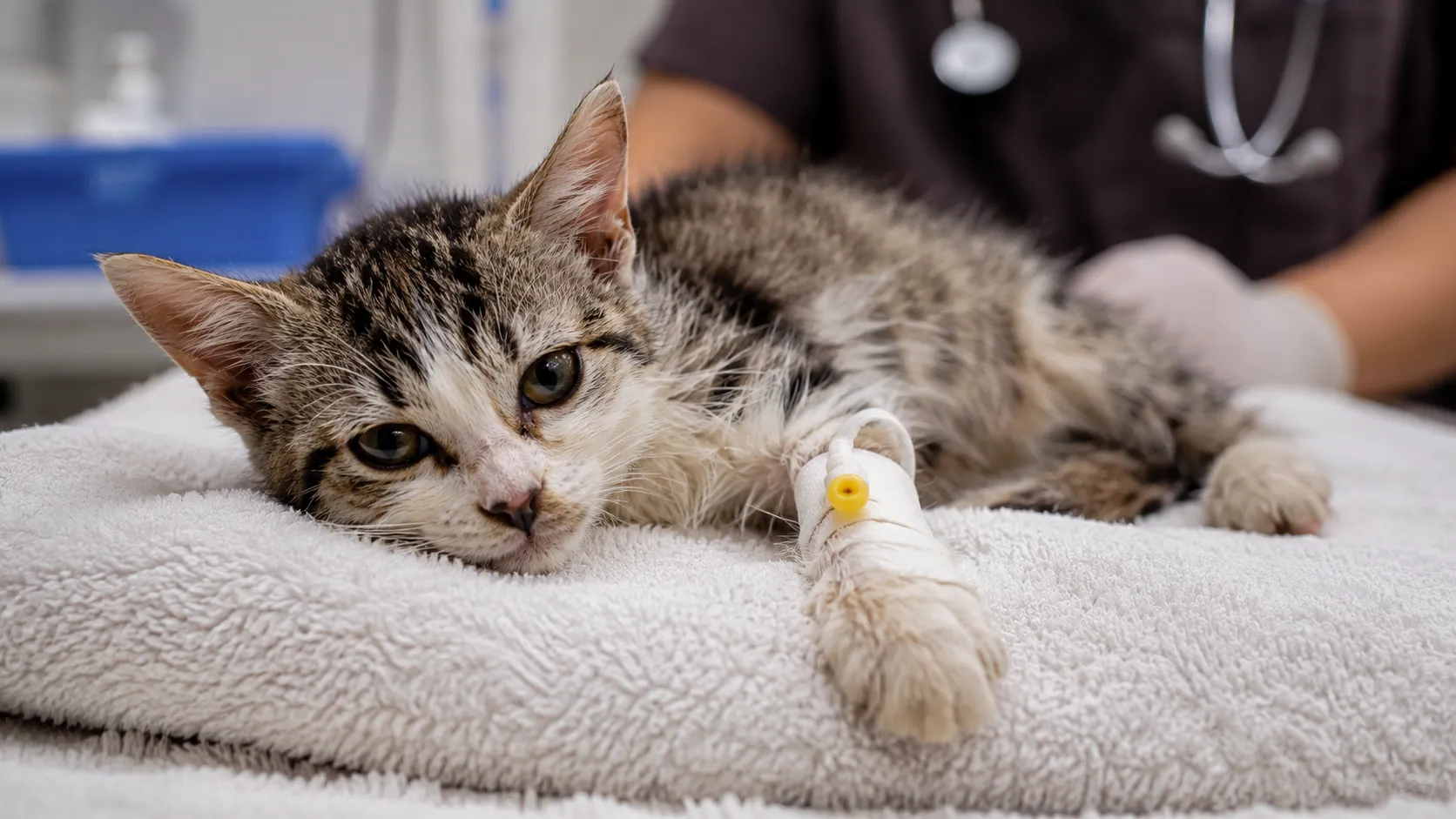
Yes, cats can get a parvovirus disease, but in cats it is most commonly known as feline panleukopenia, feline parvo, or sometimes feline distemper. This is a serious viral illness that can affect cats of any age, but it is especially dangerous for kittens, unvaccinated cats, and cats with weak immune systems.
Many cat parents feel confused because they often hear about canine parvovirus in dogs. Cats have a related disease, but it is usually caused by feline panleukopenia virus, also called cat parvovirus. The names sound similar, and both illnesses can cause severe sickness, but dog parvo and cat parvo are not always the exact same disease.
This guide explains what parvo in cats really means, how it spreads, whether cats can get parvo from dogs, what symptoms to watch for, how vets treat it, how vaccination helps, how to clean after exposure, and when to call a veterinarian. If your cat or kitten has vomiting, diarrhea, weakness, fever, or sudden loss of appetite, it should be taken seriously. Suspected kitten parvo symptoms can become urgent quickly, so early veterinary care is always the safest choice.
Can Cats Get Parvo or Is It Only a Dog Disease?
Cats can get a parvovirus-related illness, but it is usually called feline panleukopenia virus or feline parvovirus. So, when someone asks, “Can cats get parvo?” the simple answer is yes — but the condition in cats is usually different from the dog disease most people know as parvo.
In dogs, “parvo” usually means canine parvovirus, a highly contagious illness that often causes vomiting, diarrhea, dehydration, and severe weakness. In cats, “parvo” usually means feline panleukopenia, a serious viral disease caused by feline parvovirus. Veterinary guidance notes that feline panleukopenia is highly contagious and potentially fatal, especially in kittens.
A simple way to understand it is:
Dog parvo usually means canine parvovirus.
Cat parvo usually means feline panleukopenia virus.
Both can cause severe illness, especially in young, unvaccinated, or medically fragile animals.
Some veterinary guidelines also note that closely related canine parvovirus variants can infect cats, although the more common concern for cats is still feline panleukopenia. Because of this, cat parents should be careful in homes, shelters, rescues, or clinics where sick dogs or unvaccinated animals may have been exposed to parvovirus.
The most important thing to remember is that vomiting and diarrhea in a kitten should never be brushed off as “just a stomach bug.” Kittens can become dehydrated quickly, and feline parvo can progress fast. If a kitten is weak, refusing food, vomiting repeatedly, or having diarrhea, a vet should be contacted right away.
What Is Feline Panleukopenia, Also Called Feline Parvo?
Feline panleukopenia is a serious and highly contagious viral disease of cats. It is caused by feline parvovirus, which attacks important parts of the body, especially the intestines, bone marrow, and immune system. Merck Veterinary Manual explains that feline panleukopenia is also called feline infectious enteritis or feline distemper.
The word panleukopenia may sound complicated, but it simply means a very low level of white blood cells. White blood cells help the body fight infection. When a cat’s white blood cell count drops, the immune system becomes weaker, making the cat more vulnerable to serious illness and secondary infections.
This virus is especially harmful because it targets fast-dividing cells. These cells are found in places like the intestinal lining, bone marrow, and developing immune system. When the intestinal lining is damaged, cats may develop vomiting, diarrhea, poor appetite, and dehydration. When the bone marrow and immune system are affected, the cat has a harder time fighting the disease.
Kittens are at the highest risk because their bodies are still developing, but unvaccinated cats of any age can become sick. Adult cats may sometimes show milder signs, but that does not mean the disease is harmless. In unprotected cats, cat parvovirus can become life-threatening, which is why vaccination, fast diagnosis, and proper veterinary care matter so much.
How Do Cats Get Parvo?
Cats usually get parvo through exposure to feline parvovirus, the virus that causes feline panleukopenia. This virus spreads easily because infected cats can shed it in their feces, and other cats may become exposed through direct or indirect contact. In simple terms, cat parvo transmission often happens when a healthy cat touches, sniffs, licks, or steps on something contaminated with the virus.
One of the most common ways cats get parvo is through contact with infected feces. This can happen around a contaminated litter box, shared outdoor spaces, shelter cages, rescue rooms, or any area where an infected cat has been. The virus can also spread through food and water bowls, bedding, carriers, toys, floors, grooming tools, and even human hands, shoes, and clothing.
This is why feline parvo spread is a major concern in places where many cats live or pass through, such as shelters, rescues, boarding facilities, foster homes, veterinary clinics, and multi-cat households. If one cat becomes sick, the virus may already be present on surfaces before symptoms are obvious.
Another important point is that feline parvovirus is environmentally tough. Veterinary sources note that FPV can survive in the environment for months and is resistant to many common disinfectants, which makes proper cleaning very important. Indirect contact through contaminated objects, also called fomites, is considered a common route of infection.
Even indoor cats are not completely risk-free. A cat that never goes outside may still be exposed if virus particles are carried into the home on shoes, clothing, pet supplies, a carrier, or a person’s hands. This does not mean cat parents should panic, but it does show why vaccines, careful hygiene, and safe introductions matter.
If one cat in the home is sick, isolation and cleaning are essential. Keep the sick cat away from other cats, avoid sharing litter boxes or bowls, and ask a veterinarian what disinfectants are safe and effective to use. In a parvo in multi-cat homes situation, quick action can help reduce the chance of the virus spreading further.
Can Cats Get Parvo From Dogs?
Many pet parents ask, “Can cats get parvo from dogs?” The careful answer is: it is uncommon, but certain canine parvovirus strains or variants have been reported to infect cats. However, the bigger everyday risk for cats is still feline panleukopenia virus, which is the usual cause of feline parvo in cats.
Dog parvo and cat parvo are closely related, but they are not always the same illness. Dogs usually get sick from canine parvovirus, while cats most often get sick from feline parvovirus. Some veterinary guidelines mention that canine parvovirus variants may infect cats, so dog parvo should not be ignored in a home or facility where cats are present.
The risk matters most in shared environments where animals may be unvaccinated or where infected feces can contaminate surfaces. Higher-risk places include animal shelters, rescue homes, foster homes, veterinary clinics, boarding spaces, homes with unvaccinated pets, and yards or floors where a sick dog may have had diarrhea or vomited.
If either a dog or cat has suspected parvo, the safest step is to separate animals right away and contact a veterinarian. Cats and dogs should not share bowls, bedding, crates, toys, litter areas, towels, or cleaning tools during a suspected infection. Even if the disease does not always jump directly from dog to cat, contaminated surfaces can still create a serious parvo exposure risk.
For homes with both cats and dogs, the practical rule is simple: treat any suspected parvo case as contagious until a vet says otherwise. Keep pets separated, clean carefully, and avoid moving items between the sick pet’s area and the healthy pet’s area.
Cat Parvo Symptoms Pet Parents Should Watch For
Cat parvo symptoms can appear suddenly, and they may become serious quickly, especially in kittens. The signs can look like many other illnesses at first, which is why cat parents should not try to diagnose the problem at home. If a cat has possible parvo exposure and begins acting sick, veterinary care is the safest choice.
Common feline panleukopenia symptoms include sudden tiredness, weakness, loss of appetite, fever, vomiting, diarrhea, dehydration, weight loss, hiding, unusual quietness, belly pain, poor coat condition, and collapse in severe cases. MSD/Merck describes feline panleukopenia as a highly contagious and often fatal parvoviral disease marked by depression, anorexia, high fever, vomiting, diarrhea, and severe dehydration.
One thing that surprises many new cat parents is that diarrhea is not always the first or most obvious sign. Merck’s cat-owner guidance notes that vomiting may develop after fever, while diarrhea may occur but is not always present. Severe dehydration can develop rapidly in serious cases. This means a kitten can be dangerously ill even before obvious diarrhea appears.
Watch closely for emergency warning signs such as pale gums, sunken eyes, sticky or dry gums, extreme weakness, repeated vomiting, bloody diarrhea, refusal to eat, or sudden collapse. These signs may point to dehydration, shock, or severe infection.
A helpful new-parent tip is to trust behavior changes. If a playful kitten suddenly hides, stops eating, vomits, or becomes limp and quiet, do not wait several days to see what happens. Kitten parvo signs can move fast, and early care can make a major difference. If symptoms appear after possible exposure to a sick cat, sick dog, shelter environment, contaminated litter box, or unknown vaccination history, call a veterinarian or emergency clinic right away.
Which Cats Are Most at Risk for Feline Parvo?
Some cats have a much higher risk of getting seriously sick from feline parvo than others. The cats most at risk include kittens, unvaccinated cats, cats with an unknown cat vaccine history, shelter or rescue cats, stray or outdoor cats, pregnant cats, immunocompromised cats, and cats living in crowded environments.
Kittens are often the most severely affected because their immune systems are still developing. Their bodies do not have the same strength or immune protection as healthy vaccinated adult cats, so kitten parvo can progress very quickly. Veterinary sources describe feline panleukopenia as a highly contagious and often fatal disease, with young cats being a key risk group.
The unvaccinated cat parvo risk is also high. Adult cats may seem stronger than kittens, but they can still become very sick if they are not vaccinated or do not have enough immunity. This is especially important for cats adopted from unknown backgrounds, outdoor cats, or cats that have been around shelters, rescues, boarding areas, or sick animals.
Shelter and rescue cats can be at higher risk because they may come from stressful, crowded, or uncertain environments. This does not mean every shelter cat is sick, but it does mean vaccine records and quarantine steps matter. Shelter cat illness can spread quickly when many cats share rooms, cages, litter boxes, bedding, or cleaning tools.
Pregnant cats also need extra care. If a pregnant cat is exposed to feline parvovirus, the infection may affect her health and can also harm developing kittens. Immunocompromised cats, including cats with other illnesses or weakened immune systems, may also have a harder time fighting the virus.
A practical adoption tip is to ask shelters, breeders, foster homes, or previous owners for vaccine records before bringing a cat home. Ask when the cat received its last vaccine, whether boosters are due, and whether the cat has been exposed to vomiting, diarrhea, or suspected rescue cat parvo cases.
It is also important not to delay a vet visit just because a cat is an adult. The idea that “adult cats can handle it” is risky. If an adult cat is unvaccinated, has an unknown vaccine history, or is showing signs such as vomiting, diarrhea, fever, weakness, or refusal to eat, veterinary advice should be sought quickly.
How Serious Is Parvo in Cats?
Feline parvo can be life-threatening, especially in kittens and unvaccinated cats. If you are wondering, “Is cat parvo fatal?” the honest answer is that it can be. Some cats survive with fast veterinary care, but the disease can move quickly, and waiting too long can reduce the chance of recovery.
The danger comes from several problems happening at the same time. Feline parvovirus can damage the intestinal lining, which may lead to vomiting, diarrhea, fluid loss, and poor nutrient absorption. It can also affect the bone marrow and immune system, causing low white blood cell levels and making the cat more vulnerable to secondary infections. Merck explains that “panleukopenia” refers to an abnormally low level of white blood cells, and kittens are affected most severely.
Severe dehydration is one of the biggest concerns. A cat that is vomiting, not eating, or having diarrhea can lose fluids quickly. In kittens, this can become dangerous in a short time. MSD Veterinary Manual notes that feline panleukopenia may involve fever, depression, vomiting, diarrhea, shock, anorexia, and severe dehydration.
Home care alone is not enough for a cat with suspected parvo symptoms. A sick cat may need fluids, anti-nausea support, nutritional help, monitoring, and treatment for complications. The goal is not only to stop vomiting or diarrhea. The real goal is to support hydration, prevent secondary infection, protect the body during the viral illness, and stabilize the cat.
So, can cats survive parvo? Yes, some cats can survive, especially when treatment starts early. But feline panleukopenia survival depends on age, vaccine status, hydration level, how quickly care begins, and whether complications develop. If a cat is weak, dehydrated, vomiting repeatedly, or showing signs of collapse, treat it as a cat viral infection emergency and call a veterinarian right away.
How Vets Diagnose Parvo in Cats
A vet diagnoses suspected feline parvo by looking at the full picture, not just one symptom. Because vomiting, diarrhea, fever, and weakness can also happen with other illnesses, a proper feline panleukopenia diagnosis usually includes the cat’s health history, vaccine status, exposure risk, physical exam, fecal testing, and blood work.
The vet may ask questions such as: Has your cat been vaccinated? Was the cat recently adopted? Has the cat been in a shelter, rescue, boarding facility, or multi-cat home? Has there been contact with sick cats, sick dogs, contaminated litter boxes, or areas where infected feces may have been present? These details help the vet judge the risk of parvo exposure.
A physical exam may show dehydration, fever, belly discomfort, weakness, or signs of shock. Blood work is also important because feline panleukopenia often causes a low white blood cell count. MSD Veterinary Manual states that diagnosis is supported by compatible signs such as a young, unvaccinated, group-housed cat, clinical findings, positive ELISA testing, and leukopenia.
A fecal test for cat parvo may also be used. Some tests are similar to dog parvo tests because feline parvovirus and canine parvovirus are related. However, results should always be interpreted by a veterinarian. A positive test can support the diagnosis, but unclear results can happen.
False negatives or uncertain results may occur depending on timing, sample quality, vaccination status, or how much virus is being shed at the time of testing. That is why vets usually combine test results with symptoms, blood work, vaccine history, and exposure risk instead of relying on one test alone.
A helpful tip for cat parents is to bring any vaccine records you have and share recent details honestly. Tell the vet if your cat was recently boarded, adopted, rescued, exposed to a shelter, around outdoor cats, or near a dog with suspected parvo. The more complete the history, the better the vet can make a safe and accurate diagnosis.
How Is Parvo in Cats Treated?
Cat parvo treatment is usually based on supportive veterinary care. There is no simple medicine that instantly kills feline parvovirus inside the body. Instead, treatment focuses on helping the cat survive while the immune system fights the infection. AVMA explains that there is no specific treatment for feline panleukopenia, so care usually supports affected cats with fluids, nutrients, and other essential treatment.
In many cases, feline panleukopenia treatment may include fluids, anti-nausea medicine, nutritional support, temperature support, antibiotics when there is a risk of secondary bacterial infection, and close monitoring. Severely sick cats may need hospitalization, especially if they are dehydrated, weak, unable to keep food down, or showing signs of shock.
Fluids are one of the most important parts of care. Some cats may receive fluids under the skin, but very sick cats often need IV fluids to correct dehydration and support blood pressure. Merck notes that successful treatment of severe cases usually requires hospitalization with intravenous fluids and supportive care, because electrolyte imbalances, low blood sugar, low blood protein, anemia, and secondary infections can develop in severely affected cats.
Vets may also use anti-nausea medication to help control vomiting, because a cat that keeps vomiting cannot stay hydrated or take in enough nutrition. Nutritional support may be needed when a cat refuses food, especially in kittens. Blood sugar, electrolytes, hydration, body temperature, and overall strength may be checked regularly during treatment.
Antibiotics may be used when the damaged intestinal lining and low white blood cell count increase the risk of bacterial infection. MSD Veterinary Manual describes supportive treatment as including fluid therapy, antiemetics, antimicrobials, and other care depending on the cat’s condition.
Treatment depends on the cat’s age, severity of symptoms, dehydration level, vaccine status, and complications. A mildly affected adult cat and a severely dehydrated kitten may need very different levels of care. This is why a veterinarian should guide the treatment plan.
Do not give human anti-diarrhea medicine, pain relievers, antibiotics, herbal remedies, or home treatments without a vet’s approval. Some human medicines are dangerous for cats, and delaying proper care can make the illness harder to treat.
A practical way to think about it is this: if a kitten refuses food and vomits repeatedly, do not “watch it for a few days.” That situation can become urgent quickly. Sick kitten vet treatment is not just about comfort; it can be lifesaving.
What to Do If You Think Your Cat Has Parvo
If you are wondering what to do if your cat has parvo, the first step is to call a veterinarian or emergency clinic immediately. Feline parvo can become serious fast, especially in kittens, so it is better to get professional guidance early instead of waiting for symptoms to get worse.
While you are arranging a parvo vet visit, isolate the sick cat from other cats. Do not allow shared litter boxes, food bowls, water bowls, bedding, toys, carriers, grooming brushes, or blankets. Feline parvovirus can spread through direct contact and contaminated objects, so separation helps protect other cats in the home.
Keep the sick cat warm, quiet, and comfortable. Avoid force-feeding unless your vet specifically tells you to do so. A vomiting cat can aspirate food or become more stressed, and some cats need fluids or anti-nausea medication before they can safely eat.
Before arriving at the clinic, tell the staff that your cat may have been exposed to parvo or is showing possible cat parvo emergency symptoms. Veterinary clinics may want to prepare isolation procedures before you arrive to protect other animals in the building.
If you have a multi-pet home, keep dogs and cats separated until your vet gives clear instructions. This is especially important if a dog has suspected parvo, a cat has suspected feline panleukopenia, or any pet has severe vomiting or diarrhea. Do not move bowls, bedding, crates, towels, or cleaning tools between the sick pet’s area and the healthy pets’ area.
Early care can make a major difference. A cat that receives fluids, monitoring, nausea control, and supportive treatment sooner has a better chance than a cat whose care is delayed until severe dehydration or collapse develops. If a kitten is vomiting, weak, refusing food, or showing signs of dehydration, treat it as a kitten vomiting emergency and contact a vet right away.
How to Prevent Cat Parvo With Vaccination and Smart Hygiene
The best way to prevent cat parvo is vaccination. The feline panleukopenia vaccine is commonly included in core cat vaccines, often as part of a combination vaccine that also protects against other major feline viruses. These vaccines are considered core because they protect against serious diseases that can affect many cats.
AVMA describes feline panleukopenia as a serious disease and notes that vaccines are highly effective for protection. This is why vaccination is especially important for kittens, newly adopted cats, shelter cats, outdoor cats, and cats with unknown vaccine history.
Prevention usually starts with a proper cat vaccination schedule. Kittens need a series of vaccines because their early immune protection can vary. AAHA/AAFP guidance says kittens commonly receive vaccines every 3–4 weeks until about 16–20 weeks of age, with later revaccination based on the vaccine type and veterinary advice. Your vet can help choose the right timing for your kitten or adult cat.
Basic prevention steps include keeping kitten vaccines on schedule, updating adult boosters, avoiding exposure to unknown cats before vaccines are complete, quarantining new cats when needed, cleaning litter boxes and shared items properly, and asking shelters, breeders, or previous owners for vaccine records.
Smart hygiene also matters. Wash hands after handling unfamiliar cats, clean carriers after vet visits, avoid sharing supplies between unknown cats, and keep sick pets away from healthy ones. In multi-cat homes, quick isolation of a sick cat can reduce the chance of spread.
A helpful new cat parent tip is to avoid taking an unvaccinated or partially vaccinated kitten to pet stores, shelters, parks, boarding spaces, or unfamiliar multi-cat environments before the vaccine series is complete. Even if the kitten looks healthy and playful, its immune system may not be fully protected yet.
Cleaning Your Home After Cat Parvo Exposure
Knowing how to clean after cat parvo is important because normal cleaning may not be enough. Feline parvo in the environment can be difficult to control because parvoviruses are hardy. They can survive for weeks or months in contaminated spaces if surfaces are not properly cleaned and disinfected. Veterinary guidance notes that feline panleukopenia virus is highly resistant in the environment and may remain infectious for a long time.
Start by cleaning the areas and items your cat may have touched. This includes floors, carriers, litter boxes, bowls, bedding, toys, scratching posts, shoes, entry areas, blankets, towels, and any shared pet supplies. In multi-cat homes, pay close attention to spaces where cats eat, sleep, groom, use the litter box, or hide.
A key point is that dirt, feces, vomit, and other organic material can make disinfectants less effective. Clean visible mess first, then disinfect. Some veterinary guidelines note that sodium hypochlorite-based disinfectants, including properly diluted bleach products, can inactivate feline panleukopenia virus when used correctly. ABCD also notes that sodium hypochlorite can be useful for floors, laundry, food preparation surfaces, and utensils, but surfaces should first be cleaned of organic matter.
For bleach parvo cleaning, always follow the product directions and your vet’s advice. Keep cats away while disinfectants are wet, make sure the area is well ventilated, and never mix bleach with ammonia or other cleaners. Food and water bowls should be rinsed thoroughly after disinfection before they are used again. Items that cannot be cleaned safely, such as heavily soiled soft toys, worn scratching posts, or porous bedding, may need to be thrown away.
Litter box disinfection is especially important because feline parvovirus can spread through infected feces. If possible, use separate litter boxes for exposed or sick cats, and do not share scoops between cats until your vet says it is safe.
Before bringing a new kitten into a home after a confirmed case, ask your veterinarian how long to wait and what cleaning steps are needed. This is especially important because kittens are more vulnerable and may not be fully protected until their vaccine series is complete.
Cat Parvo Myths New Pet Parents Should Not Believe
There are several cat parvo myths that can put cats at risk. The first myth is that indoor cats cannot get parvo. Indoor cats usually have a lower exposure risk than outdoor cats, but they are not impossible to expose. Virus particles can come inside on shoes, clothing, hands, carriers, or pet supplies. Veterinary summaries note that indirect contact through contaminated items can spread feline panleukopenia, which means indoor cats can still be at risk.
The second myth is that only kittens get it. Kittens are at the highest risk and often become the sickest, but unvaccinated adult cats can also get feline parvo. Adult cats with weak immunity or unknown vaccine history should not be considered automatically safe.
The third myth is that one vaccine means protection is always complete. Vaccination is the best prevention, but vaccine schedules and boosters matter. Kittens need a proper series, and adult cats need veterinary guidance based on age, risk, health, and vaccine history.
The fourth myth is that dog parvo vs cat parvo is exactly the same thing. The viruses are closely related, but the common cat disease is usually feline panleukopenia, while the common dog disease is usually canine parvovirus. Some canine parvovirus variants may infect cats, but feline panleukopenia remains the main concern for cats.
The fifth myth is that a cat with parvo just needs fluids at home. Fluids are important, but suspected feline parvo needs veterinary guidance. A sick cat may also need anti-nausea care, blood sugar monitoring, electrolyte support, antibiotics for secondary infection risk, and hospitalization. Kitten parvo facts should always be taken seriously because kittens can decline fast.
Conclusion: Can Cats Get Parvo?
So, can cats get parvo? Yes, cats can get parvo, but in cats it is usually called feline panleukopenia, feline parvovirus, or feline distemper. It is a highly contagious viral disease that can become life-threatening, especially in kittens, unvaccinated cats, and cats with weak immune systems.
The main signs can include vomiting, diarrhea, fever, weakness, loss of appetite, dehydration, hiding, and sudden decline. Because cat parvo symptoms can become serious quickly, veterinary care should not be delayed. Home care alone is not enough when feline panleukopenia is suspected.
The best protection is feline parvo prevention through proper vaccination, smart hygiene, safe introductions, and careful cleaning after possible exposure. If your cat is vaccinated, protected from high-risk exposure, and seen quickly when symptoms appear, you are already doing the most important things a responsible cat parent can do.
Quick FAQ About Cats and Parvo
Can cats get parvo from another cat?
Yes. Cats can catch feline parvovirus from infected cats or from contaminated objects such as litter boxes, carriers, bowls, bedding, floors, shoes, and clothing.
Can indoor cats get parvo?
Yes. Indoor cat parvo exposure is less common than exposure in outdoor, shelter, or rescue settings, but it can still happen. Virus particles may be carried indoors on shoes, clothing, hands, or pet supplies.
Can vaccinated cats get parvo?
It is much less likely, but no vaccine is 100% perfect. Incomplete vaccination, missed boosters, young age, immune problems, or heavy exposure may increase risk. Vaccination is still the strongest protection, and AVMA notes that vaccines are highly effective against feline panleukopenia.
Can kittens survive parvo?
Some kittens survive with fast veterinary treatment, but kittens are at high risk and can decline quickly. Kitten parvo survival depends on age, hydration, immune strength, vaccine status, and how soon treatment begins.
Is feline distemper the same as cat parvo?
In common pet-owner language, yes. Feline distemper often refers to feline panleukopenia, which is caused by feline parvovirus. It is not the same as canine distemper.
Can humans get parvo from cats?
Feline parvovirus is a cat disease, not a typical human infection risk. However, people can carry virus particles on hands, shoes, clothing, or supplies and spread the virus between animals.
How long does cat parvo live in the environment?
Cat parvo can survive for a long time in the environment if contaminated areas are not properly disinfected. Veterinary guidelines note that feline panleukopenia virus may remain infectious for weeks or months, which is why cleaning, isolation, and vaccination matter.
Disclaimer
This article is for general informational purposes only and is not a substitute for professional veterinary advice, diagnosis, or treatment. Every cat’s health, symptoms, vaccine history, and risk level can vary, so results and situations may differ. If you suspect parvo, feline panleukopenia, or any serious illness in your cat, contact a licensed veterinarian as soon as possible.





Leave a Reply