

Introduction
Luxury home features are no longer just about a bigger house, a better address, or a higher price tag. Today, true luxury living is about how a home feels, how it functions, and how well it supports comfort, privacy, wellness, convenience, and long-term property value.
That shift matters because buyers are becoming more selective. In one competitor data set, 63% of Spanish buyers prioritized quality over size, while another noted that 73% of buyers prioritized structural quality over surface area. Those numbers reflect a broader truth: modern buyers want a home that feels exceptional every single day, not one that simply looks impressive on paper.
So, what defines a luxury home in 2026? It is usually a mix of prime location, thoughtful luxury home design, premium materials, seamless smart home technology, resort-style outdoor space, spa-inspired wellness, and custom details that make everyday life easier and more beautiful. The best homes also balance aspiration with practicality. They are designed for entertaining, relaxing, working, aging well, and protecting long-term resale potential.
In this guide, you will learn what makes a luxury home, which must-have luxury home features matter most today, and which upgrades can increase both enjoyment and market appeal.
What Defines a Luxury Home Today?
A true luxury home is defined by more than square footage. It is the combination of location, privacy, architecture, craftsmanship, and lifestyle support. In places like Naples, Marbella, London, or Aspen, CO, expectations change slightly by climate and market, but the core idea stays the same: a luxury property must deliver a premium experience from the moment you arrive.
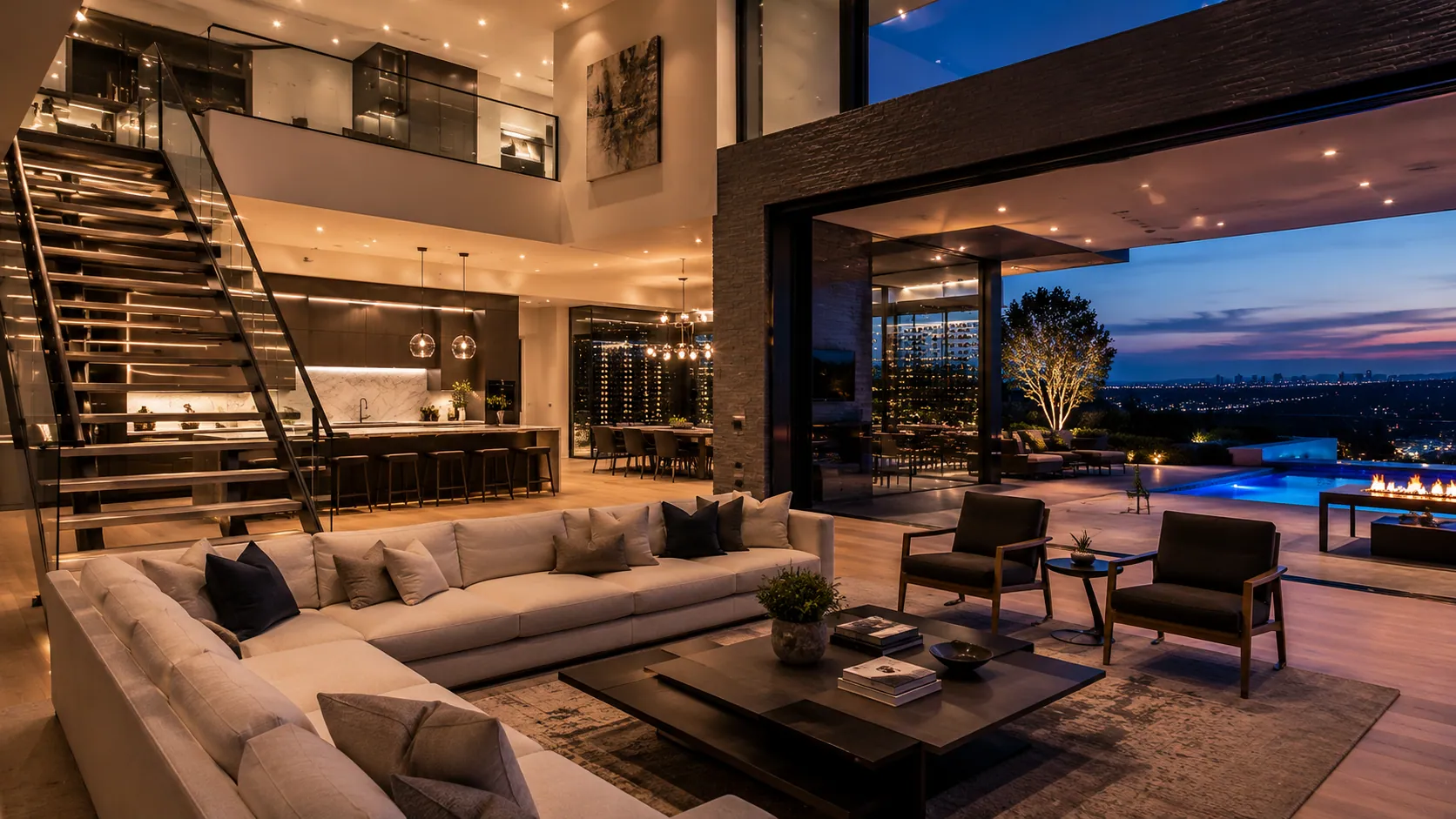
That experience starts with design. A home with high ceilings, oversized windows, a grand entrance, and a sweeping staircase immediately feels different. Add vaulted ceilings, arched doorways, custom moldings, and premium finishes such as French oak, Brazilian quartzite, or Statuario marble, and the house begins to communicate timeless value rather than trend-driven flash.
But modern luxury is also deeply personal. Buyers now want customization, flexible spaces, and a layout that matches the way they actually live. A home may include a quiet executive office, a wellness suite, a guest house, or even a multigenerational suite. That is why the strongest luxury home features are the ones that combine beauty with real lifestyle support.
Smart Home Technology That Feels Invisible
The best smart home features do not make a house feel complicated. They make life feel effortless.
That is why seamless home automation has become one of the most important luxury home features. Buyers expect smart locks, smart thermostats, motion-sensor lighting, automated blinds, app-controlled door locks, and integrated climate and security systems. In high-end homes, the technology should feel almost invisible. You should be able to control lighting scenes, music, privacy settings, and room temperatures without cluttering the home with visible gadgets.
This matters for convenience, but it also matters for property value. A well-integrated system can support security, efficiency, and comfort all at once. In some competitor content, even 24/7 control centers and advanced security monitoring were framed as part of the modern luxury standard.
What buyers love most is not the technology itself. It is the feeling of living in a home that responds to them. Lights dim automatically. Shades lower at the hottest part of the day. The temperature is already perfect when they arrive. That kind of invisible convenience is what makes smart home technology that adds property value such a strong investment.
A Chef’s Kitchen Designed for Entertaining
If there is one room that consistently defines luxury home design, it is the kitchen.
A modern chef’s kitchen should look stunning, but it also needs to perform at a very high level. That usually means high-end appliances, custom cabinetry, premium countertops, a large island, and enough storage to support both everyday use and large-scale entertaining. Many buyers now expect names like Sub-Zero and Wolf, along with features such as a built-in refrigerator, double oven, six-burner gas range, built-in espresso machine, and a generous walk-in pantry.
The most forward-thinking homes go beyond a show kitchen and add a prep kitchen or scullery kitchen behind the scenes. This is one of the clearest content gaps competitors missed. A visible kitchen should feel elegant and social, while a hidden back kitchen handles real cooking mess, cleanup, and catering prep. That small difference can dramatically elevate how a luxury home functions.
Here is a quick comparison:
| Kitchen Feature | Why It Feels Luxurious |
|---|---|
| Waterfall island | Creates a bold focal point and adds workspace |
| Butler’s pantry | Keeps service and storage organized |
| Walk-in pantry | Supports both daily life and entertaining |
| Built-in espresso machine | Adds convenience and a boutique-hotel feel |
| Prep kitchen / scullery | Keeps the main kitchen polished during events |
When buyers ask what makes the perfect luxury kitchen, the answer is simple: beauty in the front, performance in the back, and plenty of room for people to gather.
Spa-Like Bathrooms and Wellness-First Design
A spa-like bathroom is no longer a bonus in a luxury property. It is one of the features buyers actively expect.
The classic formula still works: a freestanding soaking tub, rainfall shower, heated floors, dual vanities, towel warmers, and high-end stone or tile create an immediate sense of calm. Smart additions such as a smart mirror, ambient lighting, or a smart toilet can push the experience even further.
But the bigger trend now is wellness. Luxury buyers are moving beyond beautiful bathrooms and asking for entire recovery and self-care zones. That might include a steam shower, steam room, sauna, infrared sauna, cold plunge, or full home spa suite. Some high-end projects also include circadian lighting, whole-home air purification, and water filtration systems because wellness now extends beyond appearance into health and comfort.
This is where many competitor articles stopped too early. They talked about indulgence, but not enough about physical restoration. In today’s market, one of the smartest ways to elevate wellness features is to think like a private resort. A home that supports better sleep, cleaner air, post-workout recovery, and everyday calm feels far more luxurious than one that simply has expensive finishes.
Outdoor Living Spaces That Feel Like a Private Resort
Strong outdoor living spaces can completely change the value and personality of a home.
In warm-weather markets such as Naples, FL 34110, buyers often expect an outdoor experience that feels like a boutique resort. That usually includes an outdoor kitchen, shaded dining space, lounge areas, a fire pit, water features, and a dramatic pool. A classic infinity pool still signals status, but a saltwater pool, plunge pool, or outdoor wellness pavilion can feel even more current.
The key is not just adding features. It is creating zones. A luxury exterior should allow for dining, lounging, wellness, and quiet privacy without feeling crowded. A covered terrace, pergola, and integrated landscaping can make the outdoor area feel like a natural extension of the house rather than an afterthought.
This section also deserves an indoor-outdoor design mindset. Large sliding glass walls, cohesive materials, and smooth transitions between the main living area and exterior spaces create the kind of fluid, resort-style experience buyers remember.
For users searching expansive outdoor living spaces for luxury homes, the ideal answer is not “add a pool.” It is “design a complete lifestyle outside.”
Privacy, Security, and Peace of Mind
Privacy is one of the most valuable forms of luxury.
Many buyers want visible elegance and invisible protection. That is why security systems remain essential, but the real premium lies in how discreetly they are integrated. Features such as CCTV cameras, safety alarms, break-in alarms, flood alarms, biometric security, and even facial recognition are increasingly part of high-end home design.
At the same time, privacy is not only about surveillance. It is about smart planning. Privacy landscaping, long driveways, separated guest areas, smart glass, and acoustically controlled walls all help a home feel calm and protected. A hidden safe room or secure owner’s suite may also appeal in certain markets.
The emotional value here is huge. People do not just want to be secure. They want to feel that their home is a sanctuary. That feeling of safety, control, and silence is one of the strongest hidden drivers behind premium real-estate decisions.
Entertainment Spaces That Fit Modern Life
Entertainment still matters, but it has evolved.
A dedicated home theater with projector screen, surround sound, and tiered seating is still desirable, especially for buyers who love cinema or sports. But many people now prefer flexible entertainment spaces. A stylish media room, gaming room, music studio, or billiard lounge can adapt more easily to modern living than a single-purpose theater.
The same idea applies to social spaces. A home bar, tasting room, or indoor-outdoor lounge can create better everyday use than an oversized formal room that sits empty. The goal is not to copy what people saw on Cribs years ago. It is to create rooms people will actually enjoy.
That is one reason newer luxury homes are also adding features like a golf simulator, sport court, or even a podcast studio. They reflect how buyers really spend time now, and they make the home feel tailored rather than generic.
The Hidden Details That Make a Luxury Home Feel Expensive
Some of the most important luxury home features are not obvious in listing photos.
A house can have expensive materials and still fail to feel truly luxurious if the details are wrong. What often creates that elevated feeling is a combination of proportion, finish quality, lighting, acoustics, and visual calm. Elements like crown moulding, wainscoting, handcrafted woodwork, concealed panel doors, carefully placed collected art, and layered elegant lighting all shape how refined a home feels.
Acoustics are especially underrated. One Reddit discussion about what features actually make a luxury home feel luxurious highlighted silence and sound control as major markers of quality. That insight is powerful. A home with acoustically balanced rooms, soft-close joinery, thoughtful insulation, and even 50 dB acoustic insulation can feel dramatically more premium than a louder, flashier house.
A useful rule of thumb is this: true luxury is often quiet. It does not need to shout. It shows up in the way doors close, how light falls across a hallway, and how restful the rooms feel.
“Luxury is not just what you see. It is what you notice after living there.”
That idea can become a strong emotional anchor for the final article.
Flexible Lifestyle Rooms Buyers Now Expect
Luxury buyers increasingly want rooms that match specific lifestyles, not generic labels.
A home office is no longer a pandemic-era extra. It is now part of the core luxury package, especially when it is designed as a true executive workspace with built-ins, sound control, and strong visual privacy. The same goes for a library or study, a dedicated home gym, a tasting room, or a refined wine cellar with climate-controlled wine storage.
Newer lifestyle-focused spaces are creating fresh demand too. Some buyers want a pet spa or dog wash room. Others want a car gallery garage, a private content studio, or a fully equipped guest retreat. For families, a multigenerational suite, guest house, or casita can add both flexibility and long-term value.
This is where what extra rooms add value to a luxury home becomes less about novelty and more about relevance. The best extra room is the one the owner will actually use often.
Premium Materials, Craftsmanship, and Architectural Character
No amount of technology can replace craftsmanship.
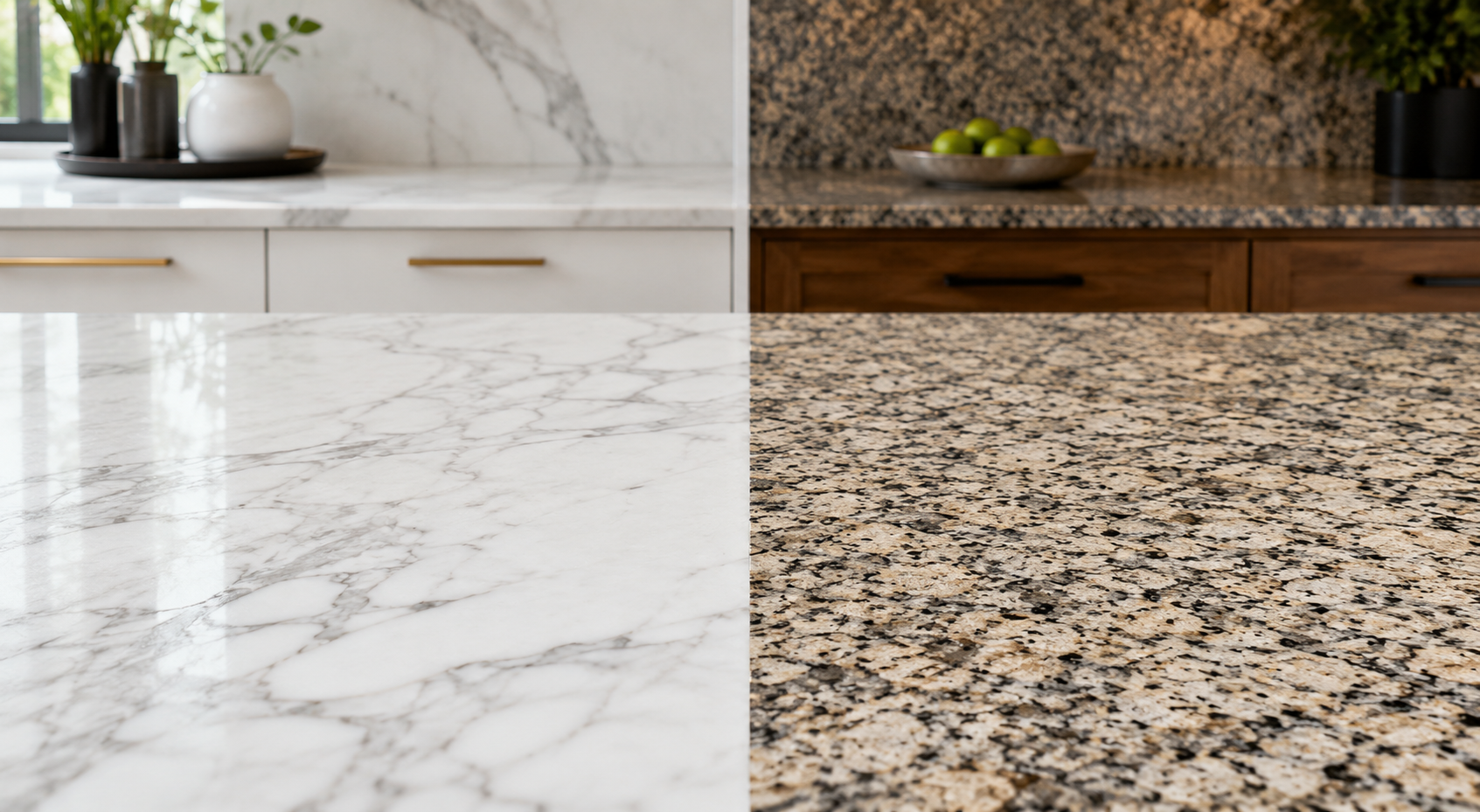
Premium materials such as marble, quartzite, natural stone, hardwood, and custom millwork still sit at the heart of luxury design. But what matters most is not just the material itself. It is how thoughtfully it is used. A dramatic stone slab can be beautiful, but so can quiet paneling, hand-finished trim, or a staircase that feels sculptural without becoming excessive.
Architectural character is one of the clearest ways to separate real luxury from trend-heavy imitation. Vaulted ceilings, archways, a memorable grand entrance, custom metalwork, and strong proportions all contribute to a sense of permanence. That permanence supports both emotion and resale potential.
Buyers may not always name every detail, but they can feel the difference. Quality craftsmanship creates confidence, and confidence is part of what buyers are paying for.
Sustainable and Resilient Luxury Home Features
Luxury and sustainability are no longer opposites. Increasingly, they belong together.
Many competitor pages mentioned solar panels, geothermal heating and cooling, energy-efficient windows, and EV charging stations, but few fully explored resilience. That is a major missed opportunity. Modern high-end homes should also consider backup generators, battery storage, hurricane-rated windows, wildfire-resistant materials, and flood-resilient luxury design where relevant.
This is not just about environmental responsibility. It is about comfort, continuity, and future-proofing. A home that stays operational during an outage, manages climate risk better, and reduces long-term operating costs can be more appealing to buyers than one with superficial upgrades.
There is also a growing prestige factor in performance. Terms like net-zero luxury home and passive house luxury home increasingly signal intelligent design, not compromise. For many affluent buyers, efficiency is becoming a form of sophistication.
Which Luxury Home Features Increase Property Value Most?
Not every high-end upgrade adds the same level of return.
Features that tend to support property value most strongly are the ones that combine broad appeal, everyday usability, and visual impact. A standout kitchen, high-quality bathrooms, seamless smart home technology, privacy, and well-designed outdoor living spaces usually outperform niche features in terms of general market appeal.
That said, niche features can still work in the right market. A marina with boat-lift access may matter enormously on the waterfront. A golf simulator may be highly attractive in a golf community. Equestrian facilities might transform the value of a rural estate. The lesson is that luxury home features that increase property value are often context-specific.
A smart approach is to divide upgrades into three categories:
- Widely desirable: kitchens, baths, smart systems, outdoor entertaining, privacy
- Lifestyle-specific: wine rooms, simulators, wellness suites, collector garages
- Market-sensitive: storm protection, equestrian amenities, staff quarters, marina access
The best strategy blends personal enjoyment with future resale logic.
How to Prioritize Luxury Home Features Based on Your Lifestyle
If you are building, renovating, or buying, it helps to prioritize in this order:
| Priority Level | Features to Focus On | Why They Matter |
|---|---|---|
| Foundation | Layout, windows, privacy, craftsmanship | Hardest to change later |
| Core luxury | Kitchen, bathrooms, outdoor living, smart systems | Highest daily impact |
| Future-proofing | Aging-in-place design, elevator-ready planning, backup power | Adds long-term flexibility |
| Lifestyle add-ons | Wine room, golf simulator, pet spa, content studio | Great when matched to your habits |
For example, a family may value a multigenerational suite and outdoor entertaining more than a theater. A remote executive may prioritize a high-level office, acoustic privacy, and wellness recovery space. An older buyer may care more about aging-in-place luxury design, universal design, and an elevator-ready floor plan.
The right mix is the one that fits the owner’s life while protecting long-term desirability.
Luxury Home Features Checklist: Essentials vs Nice-to-Haves
Here is a quick practical filter:
Essentials
- Chef’s kitchen
- Spa-like bathroom
- Smart home technology
- Outdoor living space
- Privacy and security
- Quality materials and craftsmanship
- Strong natural light
- Storage and service space
High-value extras
- Wine cellar
- Home gym
- Media room
- Prep kitchen
- Cold plunge or sauna
- Backup generator
- EV-ready garage
Lifestyle luxuries
- Golf simulator
- Sport court
- Pet spa
- Car gallery garage
- Rooftop terrace
- Home observatory
- Collector’s lounge
This kind of simple checklist is often more useful to readers than another generic “Top 17” list.
Conclusion
The best luxury home features are the ones that make a home feel effortless, personal, and lasting. A truly exceptional property combines strong architecture, premium materials, smart convenience, wellness, privacy, and spaces designed around real life. It looks beautiful, but it also performs beautifully.
That is the real difference between expensive and luxurious.
If you focus on timeless essentials such as a chef’s kitchen, spa-like bathrooms, seamless smart home technology, crafted details, and resort-style outdoor living, you build a home with both emotional appeal and strong resale potential. Add the right modern gaps, such as wellness recovery zones, resilient design, and back-of-house planning, and the result becomes even more compelling.
Disclaimer: This article is for general informational and real-estate guidance purposes only and does not constitute financial, architectural, construction, investment, or legal advice. Luxury home features, resale value, and buyer preferences vary by market, location, budget, and property type. Always consult qualified real-estate, design, or construction professionals before making major property decisions.








Leave a Reply