

Introduction
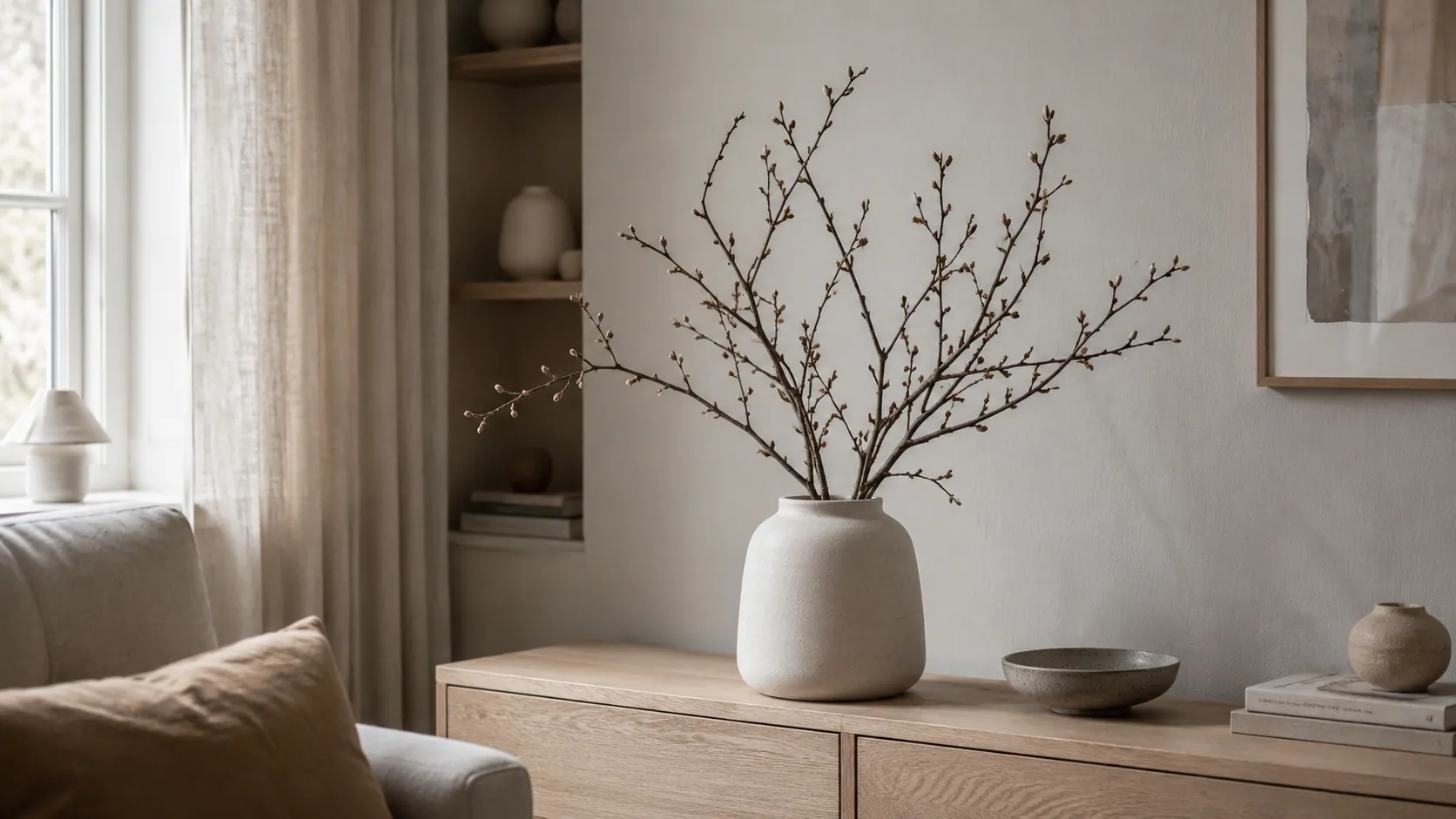
Home decor does not always need to be expensive, bold, or complicated. Sometimes, a simple branch in a vase can make a room feel calmer, warmer, and more thoughtful. This is where pyntekvister comes in.
Pyntekvister is a Scandinavian-inspired decorating idea that uses decorative twigs or branches to bring a natural touch indoors. It fits well with simple homes, cozy corners, neutral colors, and people who like soft, minimal decor.
In this guide, you will learn what pyntekvister means, why it works so well in home styling, which branches to use, how to decorate with them, and how to keep the look clean and beautiful.
What Is Pyntekvister?
Pyntekvister refers to decorative branches or twigs used as part of home decor. The word is commonly linked with Scandinavian and Nordic styling, where natural materials are used to create a calm and simple living space.
The idea is very easy to understand. You take branches, place them in a vase, hang them on a wall, decorate them for the season, or use them as a natural display piece. The result is simple, elegant, and close to nature.
Pyntekvister is not about making your home look full or fancy. It is about adding shape, height, texture, and a quiet natural detail without creating clutter.
Why Pyntekvister Is Popular in Scandinavian Decor
Scandinavian decor is known for simplicity, natural light, soft colors, and useful design. Pyntekvister fits this style because it feels natural and does not take over the room.
A few branches can make an empty corner look finished. They can also add height to a table, shelf, hallway, or window area without making the space feel heavy. This is one reason many people like using pyntekvister in small homes and apartments.
Another reason is cost. You do not need expensive materials to create this look. Branches from your garden, pruning offcuts, or fallen twigs can be enough, as long as they are clean, safe, and collected responsibly.
Best Branches for Pyntekvister
Different branches create different looks. The best choice depends on the style you want.
Birch Branches
Birch branches are popular because they look light and airy. Their pale bark works well with white walls, neutral rooms, and simple ceramic vases.
Willow Branches
Willow branches have soft curves and movement. They are good for people who want a more relaxed and flowing arrangement.
Hazel Branches
Hazel branches often have twisted shapes. They work well in rustic, cozy, or creative spaces where you want more character.
Cherry or Apple Branches
Cherry and apple branches can be beautiful in spring, especially if they bloom indoors. They add a fresh and gentle seasonal touch.
Pine or Fir Branches
Pine and fir branches are useful for winter decor. They can make a room feel warm, festive, and natural without using too many ornaments.
How to Make Pyntekvister at Home
You do not need special skills to make pyntekvister. A simple arrangement can look beautiful if the shape and placement are right.
First, choose branches with an interesting shape. Look for natural curves, clean lines, or small details that catch the eye. Avoid branches that are rotten, full of insects, or too weak to stand.
Next, clean the branches gently with a dry or slightly damp cloth. Let them dry fully before placing them indoors. If you want a more polished look, you can trim uneven ends with garden scissors.
Then choose a vase or container that suits the branch size. Tall branches look better in a tall vase or ceramic jug. Smaller twigs can work well in glass bottles, low bowls, or simple jars.
Place the branches where they have space to breathe. Pyntekvister usually looks best when it is not crowded with too many other decorations.
Where to Use Pyntekvister in Your Home
Pyntekvister can work in many areas of the home. The key is to match the size of the branches with the space.
Living Room
In the living room, place tall branches in a vase near a sofa, beside a window, or on a console table. This can add height and soften the look of straight furniture lines.
Dining Table
A simple branch arrangement can be used as a dining table centerpiece. Keep it light and not too wide, so it does not block people from seeing each other.
Entryway
An entryway is one of the best places for pyntekvister. A tall vase with branches can create a calm first impression when someone enters your home.
Bedroom
For the bedroom, choose softer and smaller branches. A few simple twigs in a neutral vase can make the space feel peaceful without adding visual noise.
Home Office
Pyntekvister can also work well in a home office or creative corner. It adds a natural detail without taking up much desk space.
Seasonal Pyntekvister Ideas
One of the best things about pyntekvister is that you can change it with the seasons.
In spring, use flowering branches or add small paper decorations in soft colors. Cherry, apple, or other blossom branches can make the room feel fresh.
In summer, keep the arrangement light. Simple bare branches, dried grasses, or small wildflowers can work well.
In autumn, add dried leaves, seed pods, or warm-toned accents. This creates a cozy look without using heavy decor.
In winter, you can add fairy lights, small ornaments, pine branches, or a soft white finish. Keep it simple so the natural shape of the branches remains visible.
Simple Styling Tips for a Better Look
Choose fewer branches instead of too many. Pyntekvister works best when it looks calm and intentional.
Use a vase that feels balanced with the branch size. If the branches are tall, the vase should be heavy enough to hold them safely.
Place branches against a plain wall if you want their shape to stand out. Natural light can also make the shadows look beautiful during the day.
If your room has many straight lines, choose curved branches. If your room already has many soft shapes, choose branches with a cleaner structure.
You can paint branches white, black, gold, or soft gray, but natural branches often look best in Scandinavian decor. If you paint them, use a light hand and keep the finish simple.
Benefits of Pyntekvister
Pyntekvister is popular because it is simple, affordable, and flexible.
It brings nature indoors without needing fresh flowers every week. It also adds texture and height without making the room feel crowded.
It can be eco-friendly when you use fallen branches, garden cuttings, or natural materials you already have. This makes it a better choice than buying too many plastic decorations.
Another benefit is that every arrangement is unique. No two branches are exactly the same, so your decor feels personal and natural.
How to Care for Pyntekvister
Pyntekvister is low-maintenance, but a little care helps it last longer.
Dust the branches gently from time to time. Use a soft cloth or a light duster so the smaller twigs do not break.
Keep dried branches away from damp areas because moisture can damage them. If you use fresh branches in water, change the water regularly and remove them when they start to decay.
Also keep branches away from candles, heaters, and fireplaces. Dry twigs can be a fire risk, so it is better to place them in a safe spot.
If the branches become brittle, dusty, or damaged, replace them with fresh ones. The beauty of pyntekvister is that it is easy to refresh.
Common Mistakes to Avoid
One common mistake is using too many branches. This can make the arrangement look messy instead of elegant.
Another mistake is choosing a vase that is too small or too light. Tall branches need support, or they may fall over.
Avoid using dirty or insect-filled branches indoors. Always clean and dry them first.
Do not place dry branches near open flames. Safety is more important than styling.
Also avoid over-decorating them. Too many lights, ribbons, or ornaments can hide the natural shape, which is the main beauty of pyntekvister.
Is Pyntekvister Right for Your Home?
Pyntekvister may be a good choice if you like natural, simple, and affordable decor. It works well in Scandinavian, rustic, modern, farmhouse, and minimal interiors.
It is also a good option if you want to decorate your home without buying many new items. A few branches and a simple vase can make a space feel more thoughtful.
However, it may not be ideal if you prefer bright, bold, or very polished decor. Pyntekvister has a quiet beauty, so it works best in spaces where natural details are appreciated.
FAQs About Pyntekvister
What does pyntekvister mean?
Pyntekvister means decorative branches or twigs used for styling and home decoration.
Is pyntekvister only for Scandinavian homes?
No. It is inspired by Scandinavian decor, but it can work in many home styles, including modern, rustic, boho, and farmhouse interiors.
Can I make pyntekvister myself?
Yes. You can make it at home using clean branches, a vase, and simple styling. You do not need special tools.
What branches are best for pyntekvister?
Birch, willow, hazel, cherry, apple, pine, and fir branches are common choices. The best branch depends on the look you want.
Can I decorate pyntekvister for holidays?
Yes. You can add small ornaments, fairy lights, dried flowers, leaves, or seasonal details. Keep the decoration light and simple.
Is pyntekvister expensive?
No. It can be very budget-friendly, especially if you use branches from your garden or fallen branches collected where allowed.
Final Thoughts
Pyntekvister is a simple way to bring natural beauty into your home. It does not need expensive decor, special skills, or a large space. A few carefully chosen branches can add height, texture, and calmness to a room.
The best results come from keeping the arrangement clean, balanced, and natural. Choose branches with a shape you like, place them in a suitable vase, and let them add quiet beauty to your home.
If you enjoy soft Scandinavian style, natural materials, and easy DIY decor, pyntekvister is worth trying.
Disclaimer: This article is for informational and decorative inspiration only. Pyntekvister ideas may vary by home style, safety needs, and local collection rules. Readers should clean branches carefully, avoid fire risks, and collect natural materials responsibly, legally, and only where collection is permitted.









Leave a Reply